
(For once I had the list sorted out before the Oscars, but then I suffered a bad case of “accidentally became important at work and it’s ruining my life” and here I am even later than usual; I now believe the universe itself is conspiring to prevent me from publishing a remotely timely retrospective. Anyhoo.)
I want to call 2025 a bad year for movies.
I feel like I have to because of how underwhelmed I was for most of the year. Things picked up a bit as awards season got underway — at least it wasn’t a repeat of 2024 where I’d seen my top four by April and the rest of the year tested my soul; 2025 had the decency to spread its good stuff out a little more — but I found even a lot of the really well-liked movies didn’t completely land for me. This year, I have a pretty long list of also-rans, but most of them only felt barely good enough to contend.
But then I think I can’t call it bad, because that list of also-rans? Yeah, it’s easily the longest it’s been since I first started doing this. I made dozens of cuts out of the movies I deemed good enough to be eligible. 2024 had no bench at all; I had to ease some of my qualification rules just so I’d have twenty films I was excited enough to write about. If anything, I tightened those rules this year. And 2025’s top tier was, if not any more numerous than 2024’s, quite a bit stronger; it’s tough to call a year that ended with the most neck-and-neck Oscar showdown since There Will Be Blood and No Country for Old Men bad.
So yeah, despite my complaints, I feel like I have to concede 2025 as having been at least mediocre. Better than 2024. Not by much, but still. This list was a struggle in 2024. This year, it wasn’t as much. These are twenty very good movies — and I don’t even have to argue with myself over whether a few of them technically count as movies! Can’t complain, really.
As a reminder, my rules are — with occasional exceptions — that I won’t consider short films because they’re such a different medium, or documentaries because putting them in rankings like this feels crass to me. This year, there was one film that kind of challenged that latter rule, which was The Voice of Hind Rajab. It’s not a documentary, no one would try to argue that it is (though it does turn a touch documentarian in its final reel as it begins carving into the fourth wall), but it invokes real-world elements to an extent that it feels…weird to stack it up against contemporaries that are one hundred percent actors playing pretend in front of cameras and microphones. I decided not to qualify it for the Top 20. Do I have any underlying logic why it doesn’t count where something like Flee did? Not really. But they’re my own rules, so I guess I can break and rewrite them at my leisure. Regardless, The Voice of Hind Rajab is too singular a thing not to be mentioned anywhere in a review of 2025 as a year in cinema, so here’s the part where I urge you to make time for it at some point.
And now for the list.
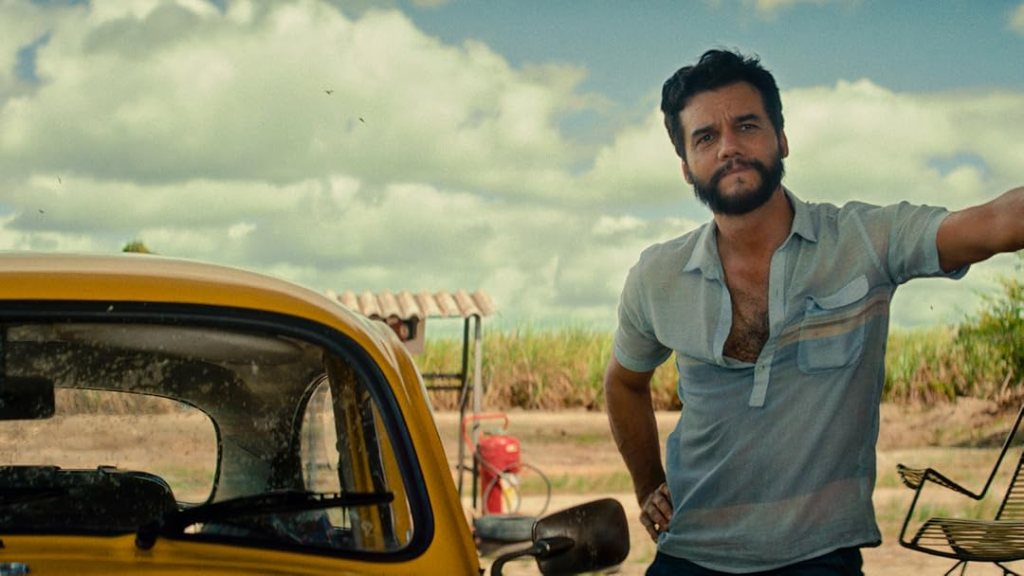
20. The Secret Agent
Look, I’m not saying I disqualified The Voice of Hind Rajab solely because I felt weird not having The Secret Agent somewhere on here, but I won’t pretend to be upset about it either. This feels like one of those placeholder positions I reliably have one or two of every year: a movie I’ve only seen once that has seemingly infinite room to grow with repeat viewings, whenever I should happen to get around to them. The Secret Agent is a whole lot of movie to digest on one viewing — a stew of styles and influences, bracing but with a jet-black and sometimes trippy sense of humor, possessed of a laser-focused sense of time and place but also heightened and surreal. Its bold story choices catch you so off-guard it’s hard to feel like you’ve had time to properly respond to all of them by the time it ends. That it came out at all coherent marks director Kleber Mendonça Filho as one of the MVPs of 2025; that it registers as an achievement perhaps marks him as one of the greats.
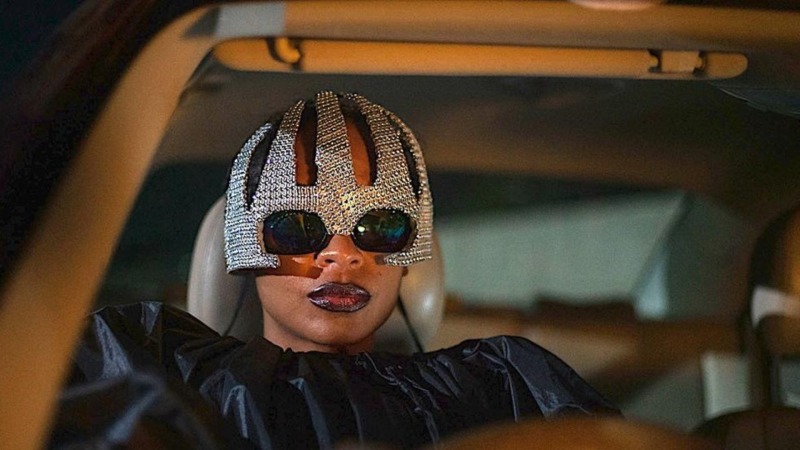
19. On Becoming a Guinea Fowl
One of those movies that by choosing specificity — honing in on the dynamic of a single family that has, for reasons equal parts personal, social, and political, chosen to hide a dark secret — taps into something universal in its depiction of a world where an elder generation has tolerated an evil in its midst and passed it down to their children, whom it now badgers and chastises for failing to handle it with the grace deemed appropriate. The grim, surreal, and even horrifying dawn of realization that the people you’ve loved your whole life might not be good human beings. It’s cutting stuff. A stronger ending would’ve pushed it into the Top 10.
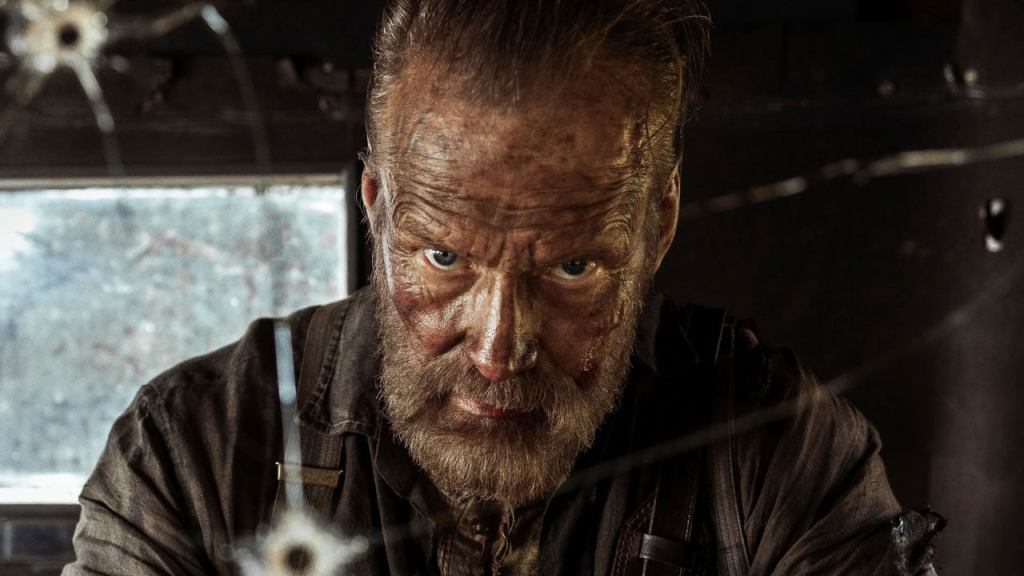
18. Sisu: Road to Revenge
OK, that’s the artsy crap, time for a movie where a crusty old prospector uses explosives to make a tank do a backflip. Sisu: Road to Revenge is the movie I wanted its predecessor to be, and then some. Proudly stupid, proudly about absolutely nothing, and much, much better structured — a freight train that builds and builds and builds until it crashes at exactly the right moment for a breather, and then gets right back on the horse for a finale that’s one hundred percent pure action movie hilarity. Contains no fewer than six kills that made me scream-laugh. I hope they make a hundred more of these. Some movies are good, and some movies are bangers, and we surely must cherish the ones that are both.
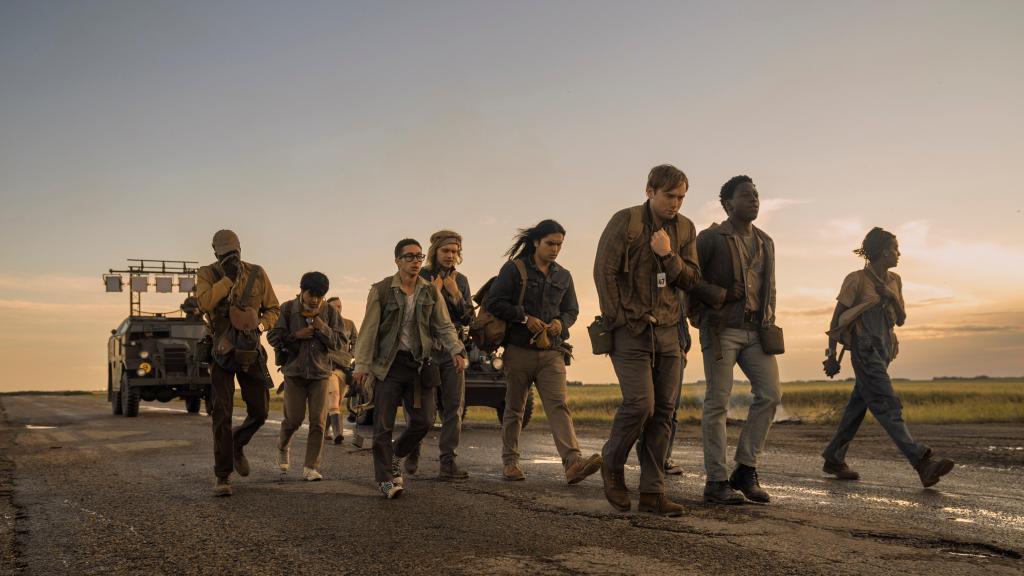
17. The Long Walk
If you’d shown me this list at the beginning of the year, this is the entry that I would’ve found the most surprising. I’ve liked most of Francis Lawrence’s work, but I’d never seen anything to indicate he might have a great film in him. And of course, Stephen King adaptations are pretty infamously hit and miss. But I actually really liked The Long Walk — even more so in retrospect. It could easily have settled for being a Hunger Games-alike, but it’s got more on its mind than that. You can feel King’s idiosyncrasies at work in it, for one thing, but there’s something unique in its approach to the material as well. Instead of being a twisty thriller that keeps you guessing about who lives and who dies, and whether there’s a chance of the characters finding their way out of their circumstances, it accepts the inevitability of its own scenario and becomes this oddly meditative thing. It searches for the spark of light in the darkness, and I think it finds one: that faced with our own imminent mortality, love is the last thing that dies. Two super strong lead performances from a pair of very exciting young actors round out 2025’s most pleasant surprise.
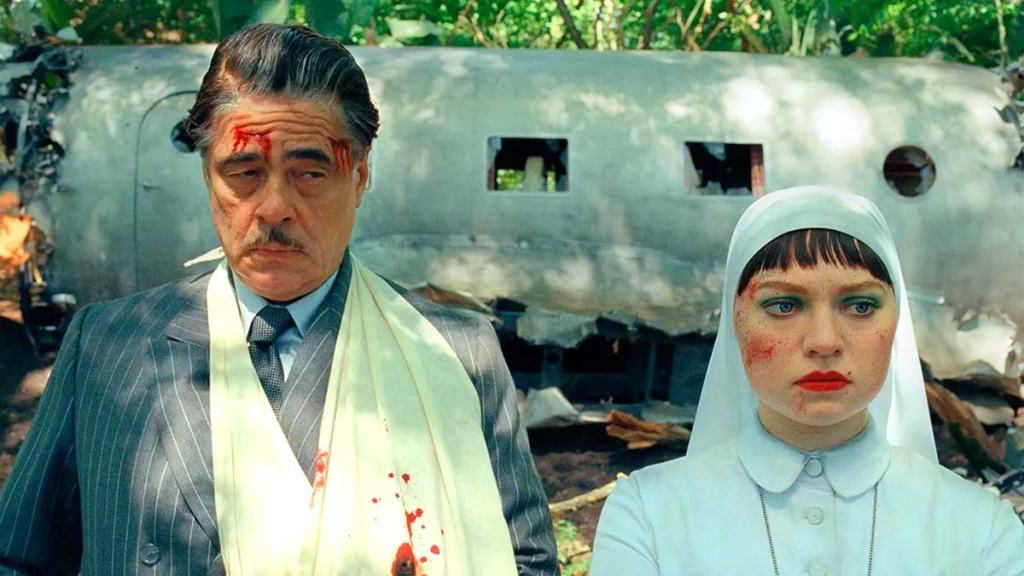
16. The Phoenician Scheme
It finally happened, you guys! At long last, a Wes Anderson movie has made my year-end Top 20! Am I a real cinephile now? Speaking as someone who’s spent at least the last decade on a quest to get Wes Anderson, this ought to feel like a personal victory…but it doesn’t, really? I don’t feel like I’ve accessed a newfound understanding of why he makes movies the way he does. It’s more that he finally made the movie I think his talents are most suited for: a dry, morbid comedy thriller that aims for your brain and your funnybone more than your heart, and on the comparatively rare occasions that it reaches for the latter never tries to grasp the stars. Basically, the things that make Wes Anderson fans consider The Phoenician Scheme a somewhat minor entry in his body of work are the same things that make me feel completely on its wavelength. I expect I will return to finding him confusing within the year. But for now, I’ll enjoy this opportunity to look like a Fancy Movie Critic Man. I am almost certain to lose the war, but at least I’ve won this single, solitary battle.
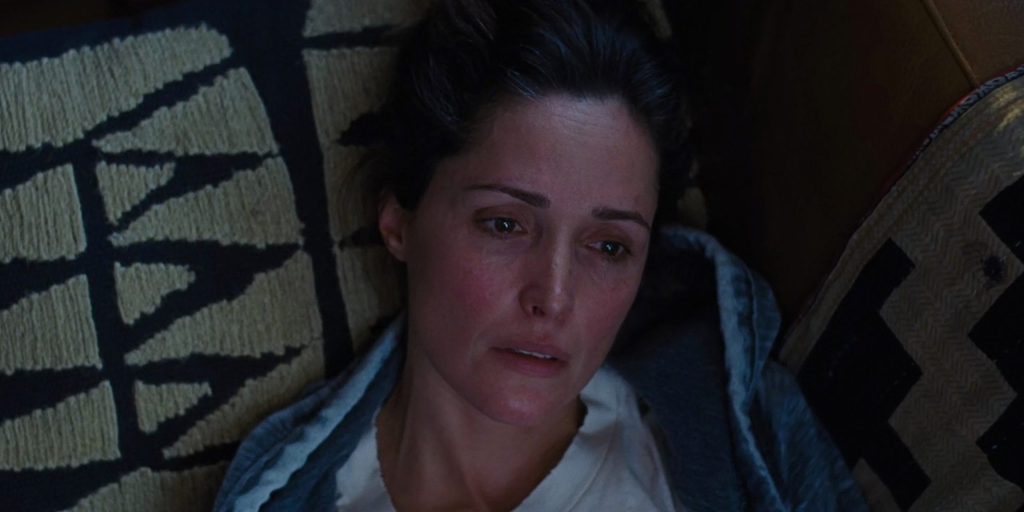
15. If I Had Legs I’d Kick You
It’s always tough to figure out where those quintessential “that was a fantastic movie, which I will never watch again” movies belong on lists like these. I usually just reserve the twentieth slot, which was my original plan for If I Had Legs I’d Kick You, but as the year neared its end, I found that I respected it too much for that. This, I suppose, is the compromise. If I Had Legs I’d Kick You is a great movie, one of the best of the year, and it is often a tough sit. There’s plenty to get you through it, of course — a lot of on-point cinematic choices, such as shooting it like a reverse E.T. where the camera is at an adult’s-eye view and never lets you clearly see the anxiety-inducing child; and with all respect to the great Jessie Buckley, my Oscar vote this year would’ve gone to Rose Byrne, and I don’t even have to think particularly hard about it. But I think the thing that most impresses me here — even as it makes the film a real challenge — is how well it doesn’t so much depict as simulate a panic attack for people who don’t experience those. It’s a movie of perpetual, swirling anxiety, adding new fears to the teetering Jenga tower with every scene, until finally it all comes crashing down in a cascade of chaos and terror and even threatened violence. And then it subsides, and you look at the movie like “Did you get it out of your system?” And the movie just looks back like: “…yeah.” For my money, that’s the funniest ending of the year, and that’s in large part due to the fact that it’s articulating a fundamental truth. Anyway, if you want to know what it feels like to be me, If I Had Legs I’d Kick You is about as close as the movies can get you.
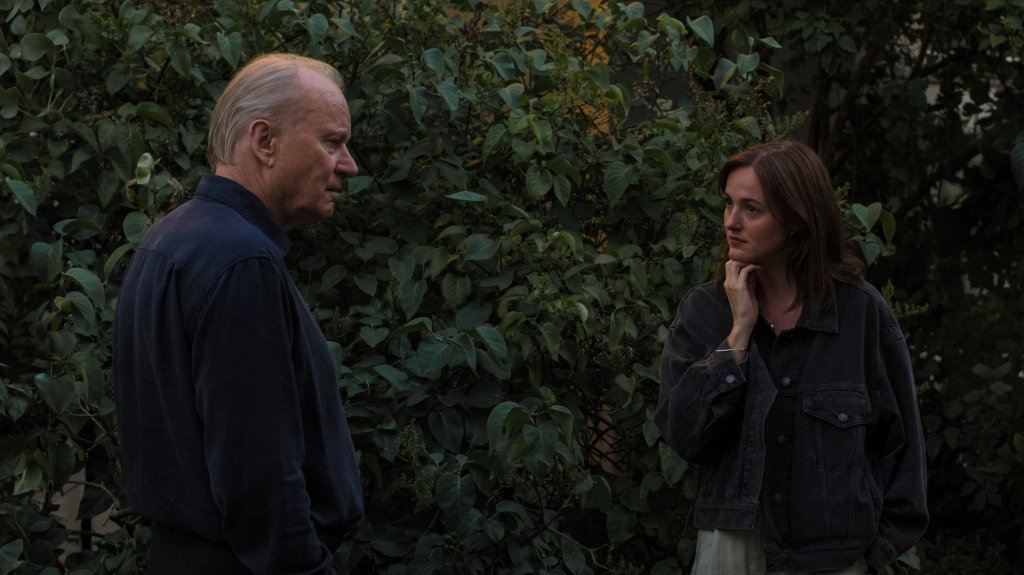
14. Sentimental Value
There’s a part of me that still isn’t connecting with Joachim Trier’s work the way everyone else seems to be, but I do feel like I got another step closer with Sentimental Value. It’s another difficult movie to talk about, in much the same way as The Secret Agent — it, too, is a lot of movie. But it’s a lot of movie in a different way, not because of the breadth of its influences or a hazy, surreal atmosphere — if anything, Sentimental Value is an extremely normal movie with its sights set down a very narrow lane — but because it discovers so many insights into its characters that some of them start to feel like happy accidents, byproducts of the things it really wants to focus on. Holding any thought about this movie in your mind is challenging simply because you have so many of them, and they’re all in perpetual communication with each other. I think you could watch this movie a hundred times and never fail to come away having drawn a brand-new connection between its characters and themes. Does art influence life, or life influence art? Sentimental Value is about a man for whom there is no longer any separation between the two concepts, and about a family trying to figure out how to relate to him when he can only see them through that very literal lens. Layers upon layers, until this normal, grounded drama starts screwing with your head the way actual surrealism does. A deceptively unprecedented experience.
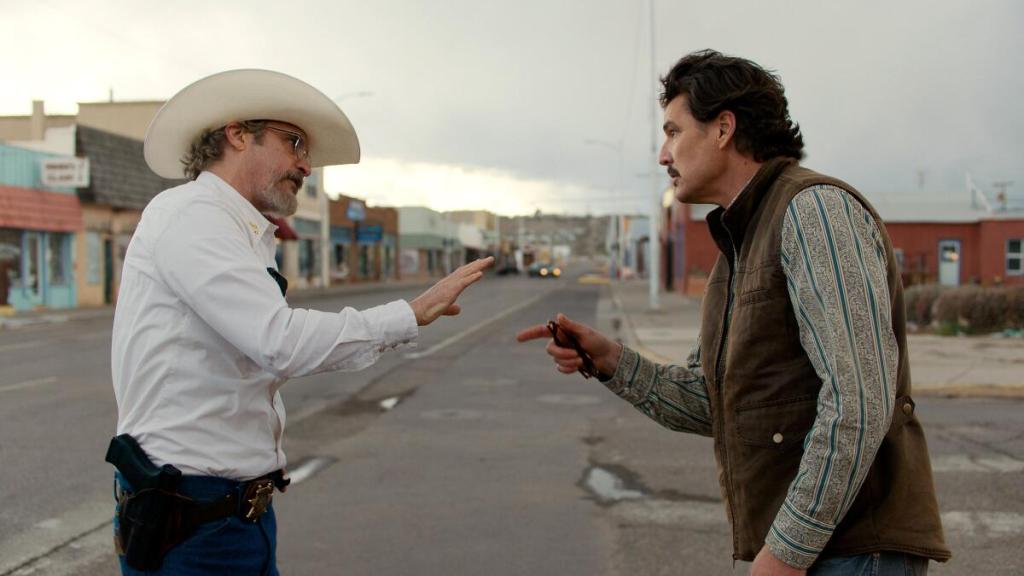
13. Eddington
I always love winding up on the “love it” side of the year’s big “love it or hate it” movie. Makes me feel like an iconoclast or something. Not that I don’t completely understand why people don’t like Eddington. This is just about as thorny as subject matter gets, and some viewers simply won’t settle for anything less than the utmost clarity in the approach; believe me, I’ve been there plenty of times myself, and I’m sympathetic to the argument that the targets of the satire very likely won’t recognize they — not the people they hate — are the punchline of the joke they just heard, even as I’m not sure storytellers can always do much about that problem. I’ve really got no judgment whatsoever for anyone who hates this. I just think it has greater clarity of purpose than it’s been given credit for, the satirical element is creatively built into its structure, its big meta-joke is pretty funny, and it all plays well into Ari Aster’s whole deal even as, if only on paper, Eddington stands out as his most grounded work to date. I don’t think Eddington is a “both-sides” movie so much as pretending to be one — taking all its characters at their word, assuming their worldviews to be broadly true, and then contrasting the extremely recognizable, real-world-headlines consequences of one with the utterly ridiculous nonsense consequences of the other. It’s sharp, it’s witty, it’s deadpan, it doesn’t go down easy, but it’s looking at the world through a really unique lens and I can’t help but be compelled by it. It’s probably my most thought-about movie of 2025.
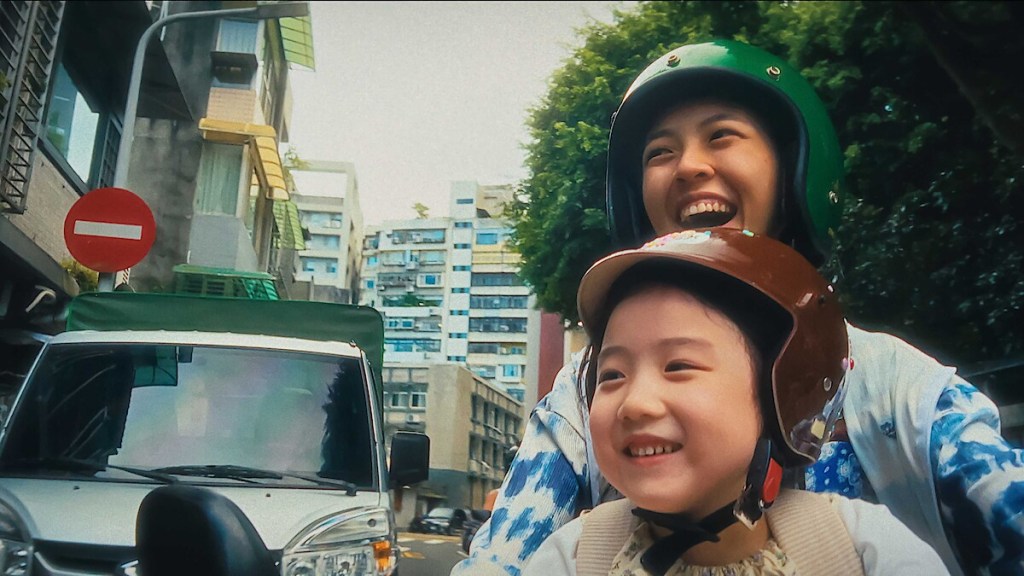
12. Left-Handed Girl
This should have been a bigger deal than it was — not that it was ever going to be a giant smash hit in the U.S., but you’d think the cinephiles, at least, would be talking about it, if only for that Sean Baker credit on the script. It’s easily the hidden gem of the year in cinema. Most obviously, there’s the miracle of it being the first iPhone-shot movie that I actually thought looked really good. But it’s also that rare sort of non-narrative film that feels like the exact opposite through sheer virtuosity — the way the editing stitches all these interconnected characters together in this ceaseless flow of life, makes every scene a punctuation mark, uses cross-cuts as parentheses to clarify the moments they’re interrupting. The performances are all extremely intuitive, as is the direction, making for a movie where you can pretty easily sketch backstory and personality for everyone even where the script never directly confirms everything. Another story of children shouldering the burdens of their elders while making a grab for whatever future remains that plays with grace and bite and somehow equal parts despair and hope. Doesn’t announce itself as great, but it is.
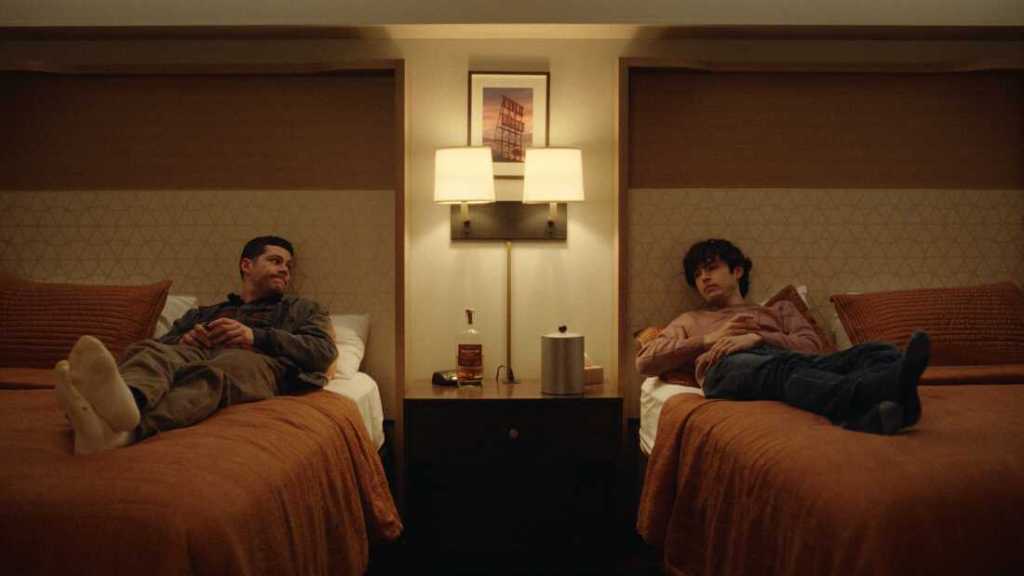
11. Twinless
I said this back when I first watched it, and it remains true now: This movie’s most impressive accomplishment, and the reason why it’s so high on this list, is that it took my least favorite story framework in existence — dramedy where someone tells a significant lie that snowballs into borderline psychopathy — and found a context where I’d love it. The key, it turns out, is actually grasping that the lie is bad, and that the consequences could very easily — and justifiably! — forestall his eventual happiness no matter how sorry he is. The early fakeout about which character this movie is actually about goes a long way toward that end; it ensures that no one feels like a supporting player in someone else’s story. It’s otherwise very well made, in that un-showy way that makes for a great film even if it doesn’t win you any Oscars. It’s surprisingly propulsive for a little dramedy, both in its no-BS editing that always seems to know exactly what moments to let breathe and for how long, and in the airtight script that exists in a constant state of graceful setup and funny, cutting, and/or moving payoff. It’s actually very entertaining to watch, which feels rare for this kind of thing. But it’s the emotionally insightful storytelling — that willingness to confront itself and its characters — that really puts it a cut above. Dylan O’Brien had a great year, and James Sweeney could have a real future in the director’s chair.
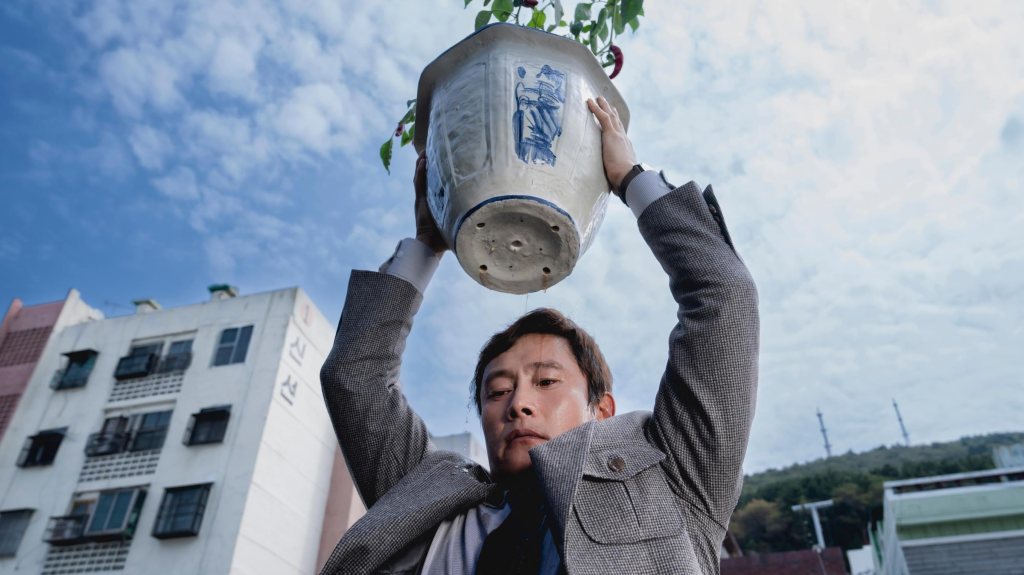
10. No Other Choice
Park Chan-wook is the reigning master of knowing exactly how far over the line you’ll allow him to go…and then pressing onward anyway, while looking you in the eye with a knowing smirk. No Other Choice is far and away his funniest movie, almost a piece of R-rated slapstick from time to time, and ninety-five percent of the humor is just how smug he is about the whole thing. If you get offended, he wins (though No Other Choice, despite its premise, is probably in the bottom half of his work in terms of boundaries violated). It’s missing the probing psychology of some of his other recent work, but makes up for it with its energy and jet-black comedy. Almost every scene has at least one visual choice that I’m pretty sure I’ve never seen in a motion picture before. Nobody doing it like South Korea right now, man. On another level.
OK, time to make people mad.

9. Superman
HAW HAW HAW it’s my list and you can’t stop me! Feels like it’s been a while since I had one of these, some corporate product that a proper cinephile is is Not Allowed to list ahead of No Other Choice and Sentimental Value, so I feel like it’s finally time to take a wrecking ball to all this credibility I’ve been building up. Look, man, I try, I want to be respectable, I gave this one another whirl before I put this list together with the specific intention of knocking it down a few pegs, and the exact opposite happened, this was originally like three places lower and I bumped it up after it made my heart soar again. Yes, it’s yet another big studio blockbuster about superheroes that looks like garbage, but this is easily one of my favorite scripts of the year, so perfectly tuned in to where it’s going and what it needs to do to get there. Great cast, great characters, great mini-arcs built into nearly all of them, and finally, at long last, we have a theatrical film that gets Superman, gets what the character’s about, why we like him, why he’s persisted this long in the cultural consciousness. Simultaneously the silliest and most sincere movie of the year and that’s exactly what it needs to be. I’m so glad James Gunn got to make it before the White House orders Warner Bros to take him off these movies (probably/maybe). I can’t believe Hollywood managed to get me interested in yet another cinematic universe.
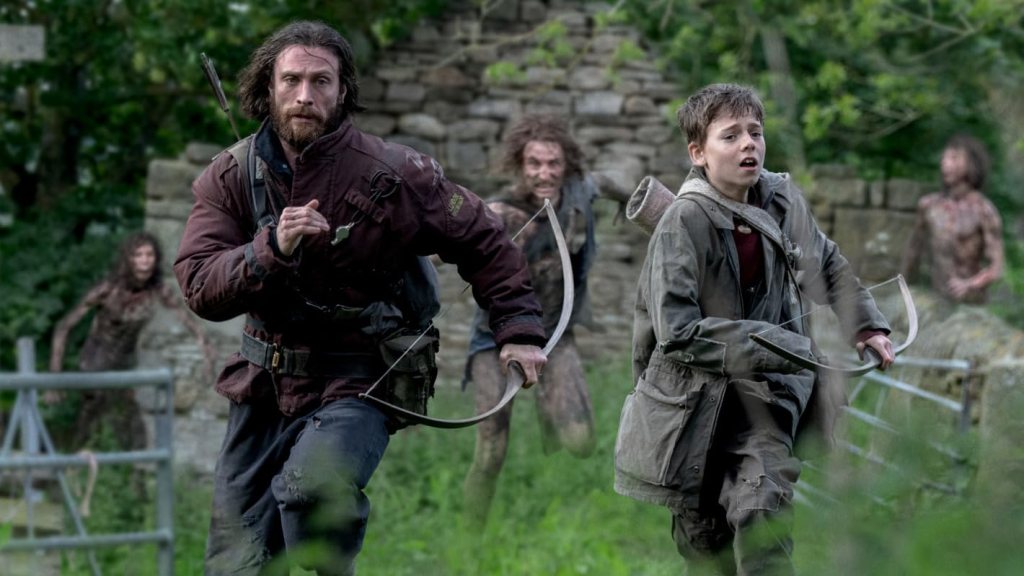
8. 28 Years Later
I believe that engaging with art — especially storytelling — makes us better people. As Ebert once said, a story is an empathy generator; it puts us in the shoes of its characters and makes us feel what they feel, and in so doing articulates something about how its creator sees the world. Generally, I think that’s a cumulative effect. It’s rare that I can point to a movie and say, “That, specifically, made me a better person.” It’s only happened a handful of times in my life. Meet the latest and by far the strangest entry on that list: 28 Years Later, a sweaty, brutal, franchise zombie movie. I don’t know what I expected here; my thoughts on the series have been mixed (I think 28 Days Later is good but maybe a smidge overrated, and I don’t care for 28 Weeks Later at all), and at the end of the day it’s mainly been a showcase for blood, gore, and human depravity. And now here we are, with a bold, daring reboot so unique in its approach that it’s borderline experimental, a hyper-violent zombie tone poem that leaps from high philosophy to mega-zombies tearing guys’ heads off bare-handed and back again, somehow never losing focus in the surreal haze of its hellish aura. It ventures into horrors and somehow, through sheer force of will, claws out a life worth living, and in doing so, it really unlocked something in me, altered my perspective, helped me release a lot of what had been ailing me in the difficult months prior to its release. It is…kind of a miracle. Sort of unprecedented. Managed to make it to the big screen without taking a single studio note. It’s also unique in being the first movie I’ve ever put on this list having already seen its sequel and found it a likely contender for next year’s retrospective. Danny Boyle, Alex Garland, and company are doing something genuinely interesting here, and I desperately hope the thin box office receipts do not stop them from seeing it through to completion.
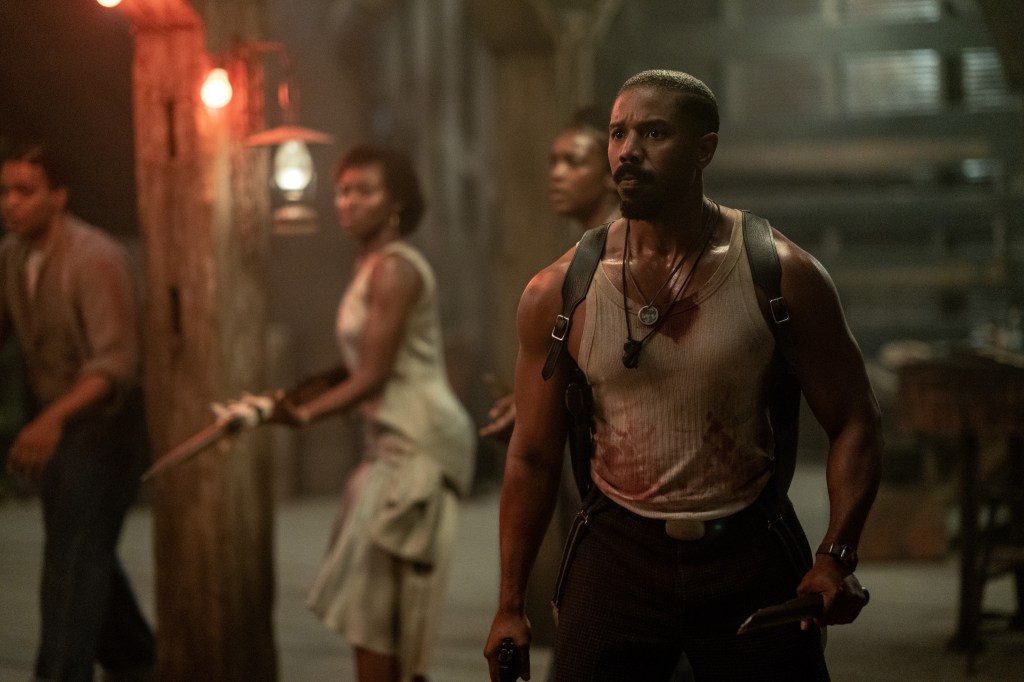
7. Sinners
Yeah, yeah, I know, depending on who you talk to, this is either five or six entries too low. I just haven’t been able to shake my disappointment with its somewhat cliched resolution; please don’t hurt me! I otherwise agree with you that it is great, really great, just an absolute drum solo of an effort from Ryan Coogler, proof positive that everything we’ve ever disliked about his work to date ought to be blamed on corporations. Sinners is his best film, and it’s not close. Looks great, sounds great, carries the air of the iconic from the first frame. It has a ton on its mind and articulates it with nuance; it’s popcorn filmmaking that also stands as a challenge to its audience, something worth giving consideration that doesn’t resolve itself easily or comfortably. Extraordinary heroes and an extraordinary villain. Feels like nothing else out there. I have watched the “Rocky Road to Dublin” scene approximately three thousand times. Whatever its flaws, this is a major work — significantly greater than the sum of its parts, and the sum of its parts is already pretty darn high.
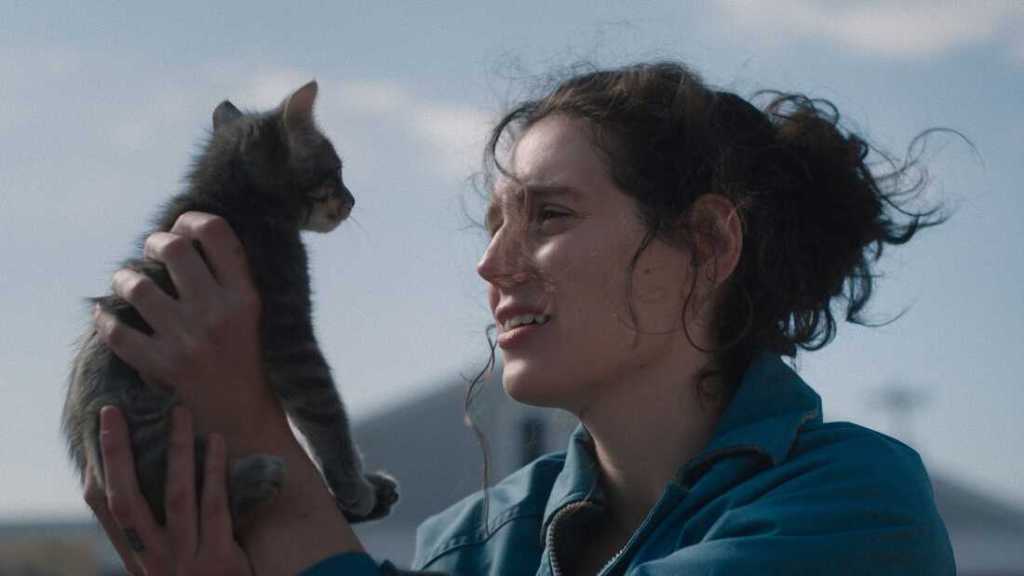
6. Sorry, Baby
Every year, it feels like there’s one movie I put really high on the list even though I don’t have much to say about it, either because words fail or I have no idea how I’d contain it in a single paragraph (with Sorry, Baby, it’s a little bit of both), so I end up making a pithy joke about how wild it is that all our most exiting new artists began their careers as social media funnypersons and hoping my speechlessness isn’t mistaken for indifference. Sorry, Baby is easily the most deceptively simple film of the year; very little happens, and most of what does is contained to just a handful of prolonged sequences in a sparse few locations. But it observes and relates so much in those limited spaces, really captures a life frozen in the moment it was traumatized, and the strange and unexpected things that sometimes pierce the malaise of those afflicted with such things. It chooses such unusual moments to choose you — the stretches between the dramatic moments that drive your average film —and yet it paints full portraits in those margins. It tells the story by telling everything but the story, somehow. It isn’t something that reads as unique or daring, but there really aren’t a lot of movies that have tried this sort of thing. Fewer still that have done it well.
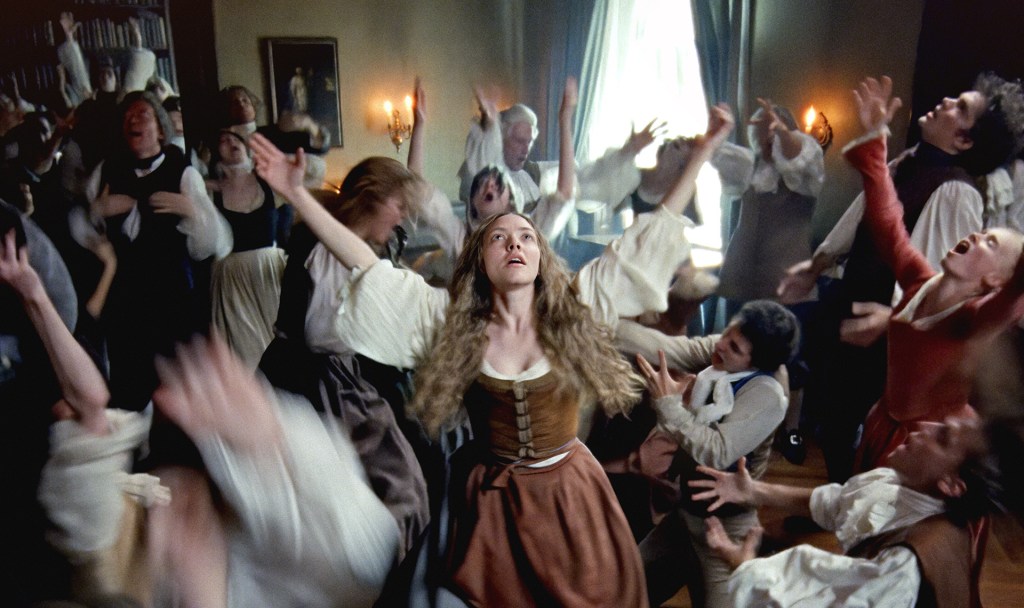
5. The Testament of Ann Lee
I think a film about the Shaker movement could only ever exist as a thing of contradiction and contrast. And what a fascinating piece this is. A grim, anxious…musical? Beautiful and awesome and terrifying, worshipful and cynical, grandiose and intimate. Rarely do I see a movie that feels as exacting as this, a musical where the players’ every movement evokes entire texts of meaning. It feels as cultish and dangerous as it does good and pure — a depiction of a religion that is both a singular figure dragging others into a faith built of her own personal neuroses, but that also resists the great evils of its age. All The Testament of Ann Lee can really do is bring you into its characters’ world and let you decide for yourself what you think of them; it’s as much a character study as larger-than-life spectacle. Truly a full and rich emotional experience, and probably the Oscars’ biggest oopsie this year. The kind of movie for which they coined the phrase: “What a picture!”
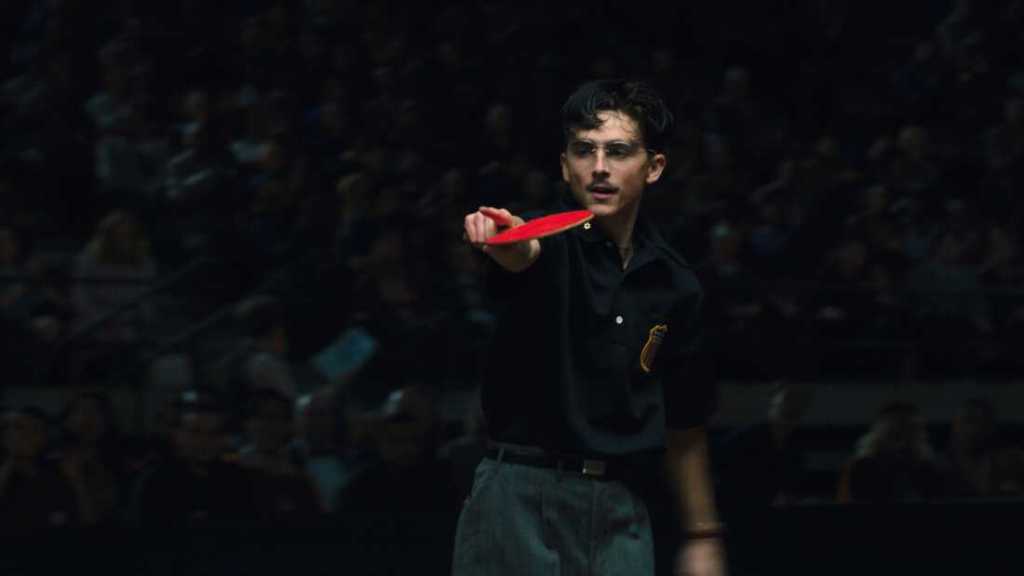
4. Marty Supreme
The vast majority of Marty Supreme’s reviews describe it as essentially an anxiety attack in movie form. Those critics generally like it as much as I do, and yet I had a completely different experience with it. I thought Marty Supreme was a blast. A genuine guilty pleasure. It accomplishes the seemingly impossible feat of making you love its protagonist as much as you hate him, which means everything that happens to him is either cathartic or hilarious — often both, simultaneously! It likely establishes Josh as the creative force behind the Safdie filmmaking duo, because even though he’s the only one on hand, this feels like the Safdiest movie of all time, the project their entire career has been building up to. A breakneck epic about ping pong, breathless and feverish and somehow entirely gripping — a zone only the Safdies’ balance of straight-faced ridiculousness and searing intensity could possibly capture. A Wolf of Wall Street-style takedown of a narcissist that places said narcissist in the absolute stupidest environment where one could exist. It’s always moving, you’re always waiting for it to crash, and it never does; as wild and unruly as it is, it even finds a strangely effective grace note by the end. Ambitious, original — nothing’s ever felt like this, been this compelling despite being essentially a feature-length meta-joke. If not the best movie of 2025, it’s certainly the most singular.
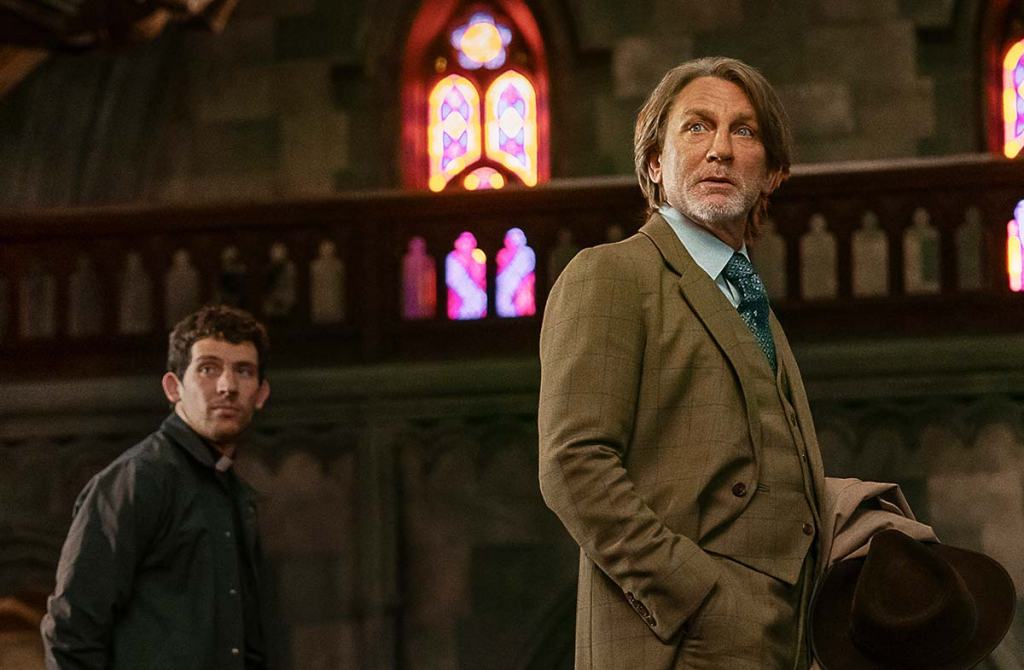
3. Wake Up Dead Man
Look, man, when these stop being good, I’ll stop putting them on this list. It is not this day, and at this point, I can only assume it won’t be tomorrow either. Or the next day. Or the next day. I think Rian Johnson is the filmmaker who’s closest to my heart — a guy I strongly suspect goes to the theater wanting the same thing I do: smart, fun genre cinema for adults, with strong characterization and something on its mind. If not outright the best movie in the series (it’s better than Glass Onion but a hair inferior to Knives Out), I think this has the strongest mystery to date, as well as the most satisfying resolution. Josh O’Connor is at least a contender for the trilogy’s best stealth protagonist, while Daniel Craig somehow finds new layers in Benoit Blanc that keep him from being too static as a character. Johnson refuses to repeat the formula from either of the previous two films, and once again turns over plenty of interesting stones as he puts a lens on another subsection of the United States in 2025. It’s just a movie, man, a real, honest-to-God movie that sucks you in and takes you on a journey and holds you under its spell until the credits roll. My brain was on fire for days after it ended.
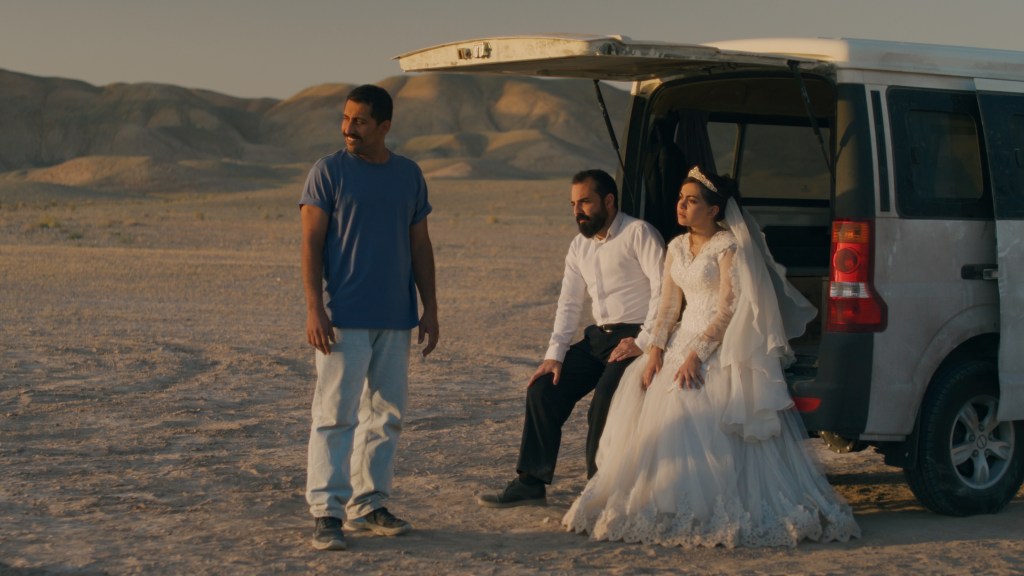
2. It Was Just an Accident
As well-made, well-written, and well-acted as anything else that qualifies for this, and of course it’s hard not to allow the bravery of its own existence not to increase your esteem for it. On top of that, it’s another film that flirts with the boundaries between genres and manages to play simultaneously as comedy of errors, hard-hitting drama, and searing political commentary without missing a step. But for me, where It Was Just an Accident truly establishes itself as one of the best films of the year is in the uniqueness of its approach to what could have been very straightforward subject matter. It could easily have been a politically charged revenge movie, one that aimed either for guilty catharsis or an examination of what the cycle of violence makes us capable of. You expect the central conflict will be the protagonist desperately trying to resist the temptation of vengeance. Instead, you get a mournful film whose heart is not the question of whether a good man can exact bloody vengeance while remaining good, but the acceptance that the choice isn’t even his in the first place — by nature of who he is, he simply can’t do it. The protagonists of It Was Just an Accident are trying to talk themselves into vengeance, not out of it. They exist in an open-ended film that both accepts this as right but grieves its implications for any notion of perfect justice. You can’t stare into the abyss without the abyss staring back. All you can do is let go and move on. It’s no wonder that people turn to religion.
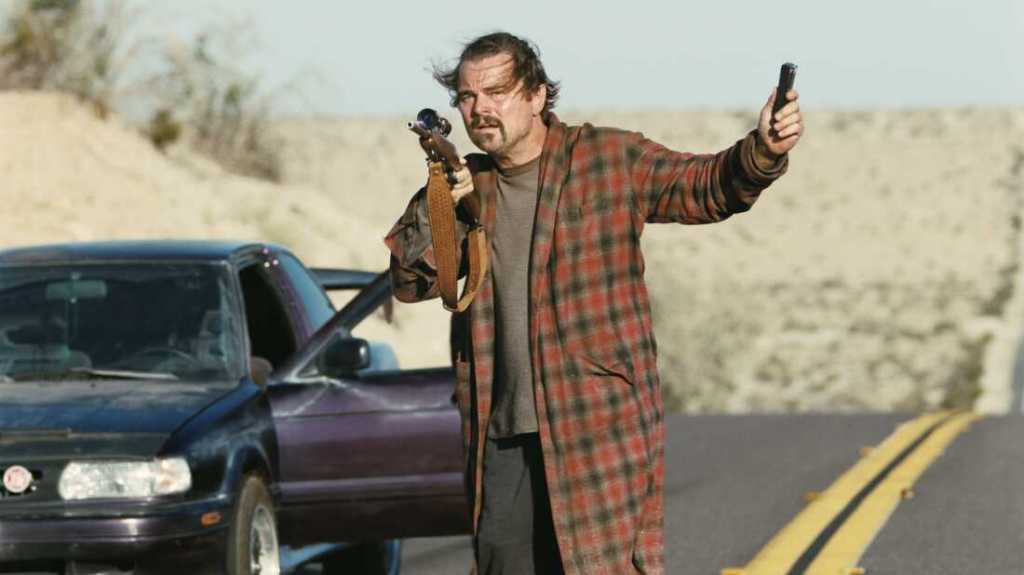
- One Battle After Another
Sometimes it’s tough to weigh the film you think is the technical best of the year against the film you feel closer to because of its relevance to its cultural and historical moment. In 2025, I am pleased to say that for once, those films are one and the same. One Battle After Another feels as major as anything to have graced the silver screen in recent memory. Every year sees lots of good movies and a handful of great ones. Not every year gets a One Battle After Another — a movie that feels like an instant all-timer. Nobody seems ready to talk about this just yet, but it’s clear to me we’re ginning up to debate whether this is Paul Thomas Anderson’s best film — and I don’t need to tell anyone what a big deal it is that One Battle After Another can even make an argument for itself on that front. I’m already prepared to declare it the best film of the ‘20s so far — and it’s going to take one barnburner of a film to topple it in the next four years. This is as close to perfect as movies get. Every performance precisely cued in to its weirdo characters, the pacing gliding forward with a slick crackle, the story smart and compelling, the strange, surreal gonzo tone — the real world, but ever so slightly off — holding through every twist and turn. One Battle After Another would have felt radical in just about any era in human history, but in this one — the one where the federal government is on the verge of functional ownership of most of the film industry, and Disney+ has buried everything with a gay person in it — feels like a miracle. And it’s challenging, nuanced; it’s asking hard questions about how we fight and why we fight and exploring the near-unresolvable quagmire of our own motivations and individual capacities for courage and endurance. It feels like everything, somehow, despite its off-kilter specificity. An actual, no-bones-about-it masterpiece. I realize it is not interesting for a cinephile to slot this at the top of 2025. But that sort of consensus rarely arrives without good reason, and One Battle After Another is a very, very good reason.
Now the only question is the likelihood that I will debase myself by putting Pizza Movie on this list next year (it’s not zero!).

