
2023 was a pretty good year for movies.
Yeah, for all of my complaint — and I was full of it this year — that’s the inescapable conclusion looking over this list. This wasn’t a great year, but it more than justified its existence by the time the lights went down.
It just didn’t feel that way. Mostly I think that’s because 2023 was a very back-loaded year. We had to hold out until November and December for a lot of these; a handful of them have only been in wide release — for a certain value of “wide release” — for a month or two even now. And for me, living in a rural area means even a lot of the earlier releases were impossible to see until streaming services picked them up in the fall. Basically, Barbenheimer was all I had sustaining me for the first three-fourths of the year. Hard not to feel kind of glum about the state of things when that’s your situation! I went to a dark place when they postponed Dune.
But hey, it did result in December and January being one of the best two months of movies I’ve ever lived through. And even though I didn’t see a sizable number of these in time to save 2023 from itself, there’s still a lot of really special stuff on here. Once again, they represent a fairly diverse selection, and I’m pretty happy with them on the whole.
(And I’m glad for that because 2024’s slate is looking like a real bummer right now!)
Anyway, I don’t normally do honorable mentions for these, but this year, there is a very definitive Number 21. So I’ll just take a moment to recognize it: May December. I think it’s a lot of tension with very little release, which is ultimately why it was my last cut from the list. However, it’s genuinely insightful, one of the rare movies that I think helped me understand its subject in a new way — and of course, Charles Melton was robbed.
Now for the Top 20!
20. John Wick: Chapter 4
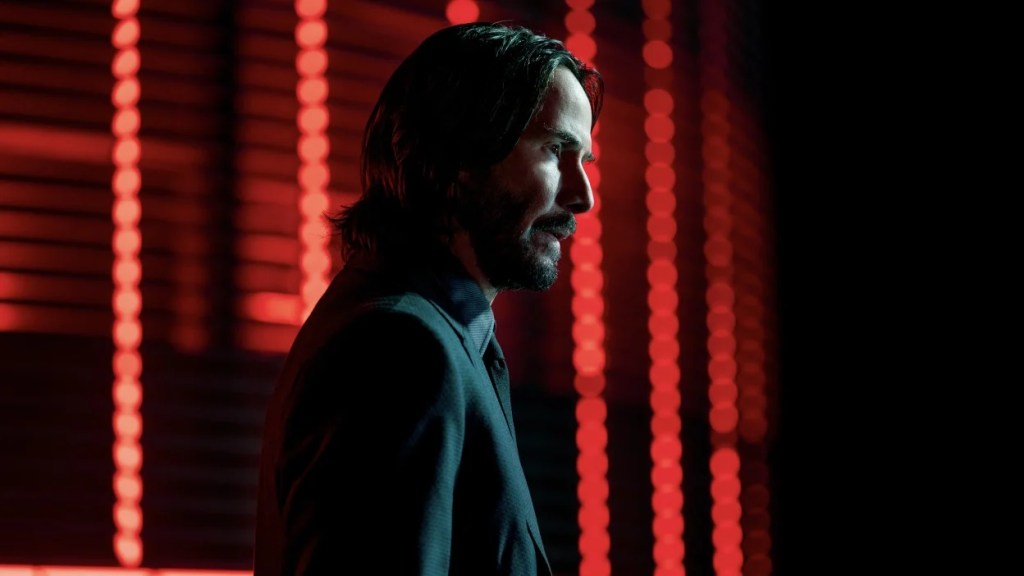
I’m not sure whether the John Wick movies are getting better or if I’m just getting more amenable to them. I kind of think it’s the latter, because it seems impossible to me that each of them has been better than the last, which has been my experience with them. I’ve been meaning to revisit the first one to see if I like it now, but have thus far refused to do so for the very good reason that I cannot watch that puppy die again. That said, I do think Chapter 4, at least, is better than the others — at least, better than my memory of them — which is why the series is now making its first-ever appearance on my year-end list. These movies all have a certain magic about them; even when they’re bad, they’re good. There’s a moment on the cusp of what feels like the final showdown where Chapter 4 goes, “But first, another thirty-minute action sequence!” And I sighed, but then the movie was like, “OK, OK, I hear you, but what if this scene involves Keanu Reeves killing dudes with cars and then falling down a cartoonish amount of stairs for like fifteen minutes?” And I was like, “Fine, I’ll allow it.” It kicks as much hindquarter as you need these movies to; moreover, it gives John Wick probably his best enemy yet, the first one who is not obviously more evil than him, and I think it advances the series’ central theme — can a leopard change its spots? — to an appropriately complicated place. The cool thing about this list is that no one can stop me from cutting a Todd Haynes movie to make room for Keanu Reeves shooting guys in the face.
19. Fallen Leaves
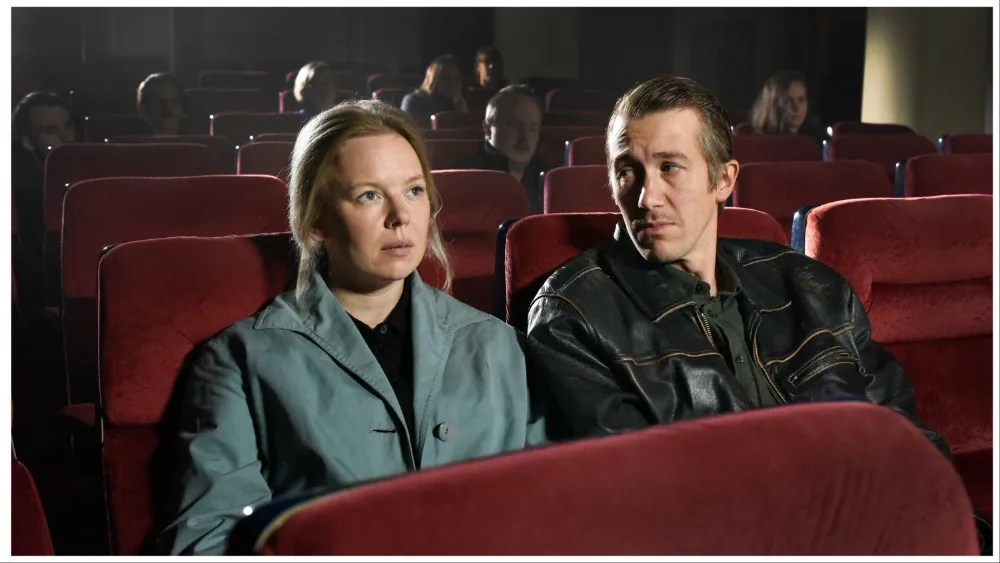
I think the best thing I can say about Fallen Leaves is that it would probably be even higher if I spoke the language. Comedy can be tough to translate across language barriers, and that can keep this one at arm’s length once in a while. It’s hard to hear the nuance in context and delivery that’ll really make the joke go the extra mile. So the fact that I loved this movie as much as I did is a real testament to how good it actually is. For me, it comes down to one thing: this romantic comedy centers on one of the most unusual fictional couples I can think of, and the fact that it makes them work is genuine magic. These two are awkward, have terrible social skills, can barely look each other in the eye, have an anti-chemistry so intense that someone it winds all the way back around into being chemistry again. Only these two people would have this kind of patience for each other. They’re destined to spend the rest of their lives sitting two feet apart on a couch, and both of them will be completely happy with that arrangement. And there’s just something kinda sweet about that. Maybe eventually they’ll exchange enough words to learn each other’s names.
18. Barbie
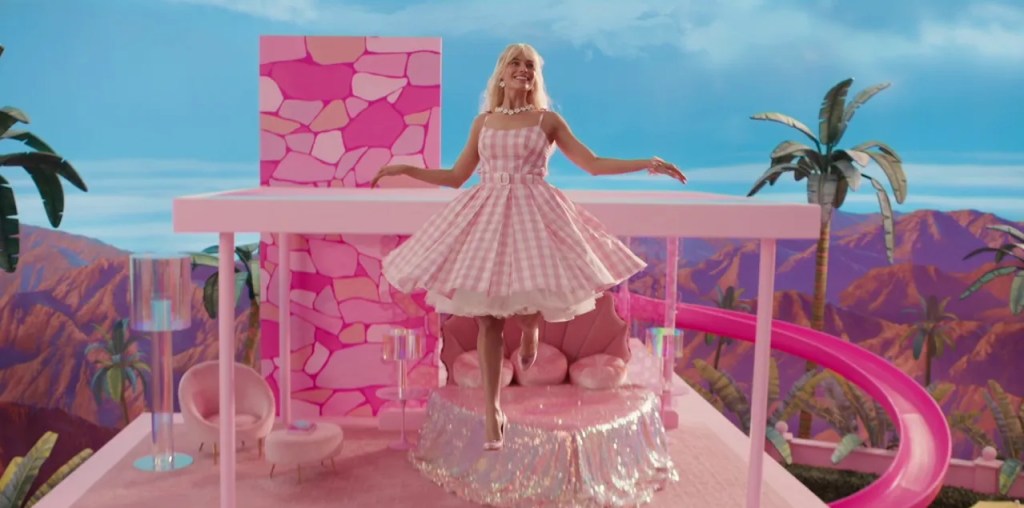
Shrug. This is the world we live in now. Interesting, unique, well-made art can still exist on a mainstream level, you just have to smuggle it through the system in Barbie packaging. I think enough proverbial ink has been spilled over Barbie at this point; on most levels, you can assume I’m more or less in agreement with the general consensus. For my part, I think I was always going to sign off on it so long as it delivered quality jokes and a distinctive, well-realized aesthetic. That it ended up delivering much more than that — including another peak performance by Comedy Ryan Gosling, the best Ryan Gosling — is really just icing on the cake. Like I said. It’s a Barbie world.
17. Are You There God? It’s Me, Margaret
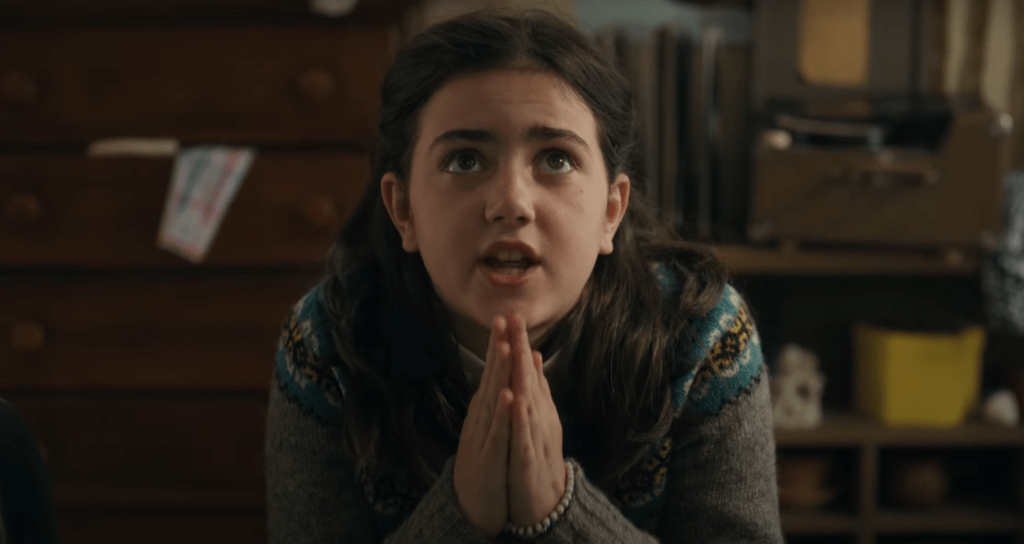
I will actually lose my mind if you people put Kelly Fremon Craig in director jail again. When I first saw it, I thought word-of-mouth would rescue its box office; when that didn’t happen, I thought Oscar season would breathe some life into its cultural presence; when that didn’t happen, I began to feel as though I was going mad. I have no idea why Are You There God? It’s Me, Margaret was allowed to pass in the night like this. Craig has now proven twice over that she may be THE voice for coming-of-age stories about girls. Just like The Edge of Seventeen, Are You There God is funny, sweet, observant, tells its story well, and gets tremendous performances out of its whole cast (we as a culture are failing Rachel McAdams). Somebody please rescue this from obscurity; I don’t want to have to wait another seven years for Craig’s next one.
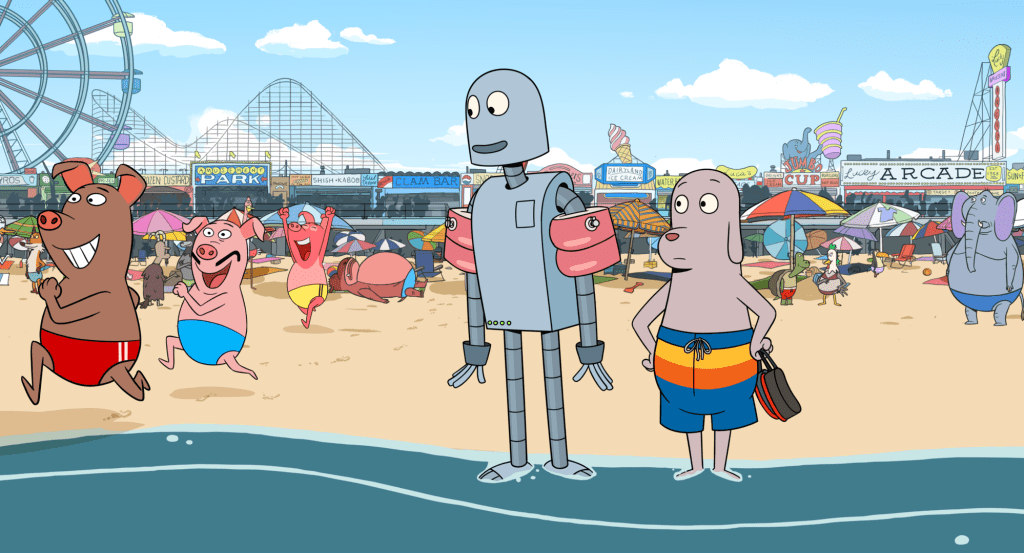
16. Robot Dreams
The Oscars do serve at least one purpose — without them, I don’t think I’d ever have bothered to watch this. It’s such an unassuming thing, and yet it’s also unprecedented in its way — how it is simultaneously perfect for both adults and children, to the extent that I couldn’t even tell you which of those audiences it’s primarily for. It shows you a sort of cynical, adult world, and then views it through an innocent, childlike lens. And in doing so, it achieves a certain clarity about things. Oh, and what’s that? It’s about endings and beginnings and the transience of things, the subject most likely to reduce me to a simpering puddle of tears? Yeah, I liked this one.

15. Monster
Hirokazu Koreeda stands apart with Asghar Farhadi as a social observer of passionate moral conviction and the ability to tell stories that somehow feel as though they’ve never been told before despite never invoking anything stronger than the everyday problems of everyday people. Monster is one of the best Rashomon-style narratives I can recall seeing. It has an expert, instinctive sense of when the moment comes to most powerfully expand your understanding of its story. It might not be as airtight as some of its director’s best work, but it more than makes up for that with its resolve. I love a movie that strikes a perfect balance between concrete, clearly conveyed information and more ambiguous developments that allow you to speculate about the characters and themes. And I love movies about the interconnectedness of humanity, how everything we do ripples outward to the people around us and then to the people around them. Simultaneously crushing and beautiful — which is to say, exactly what you expect from a Koreeda film, and exactly what you want most.

14. The Boy and the Heron
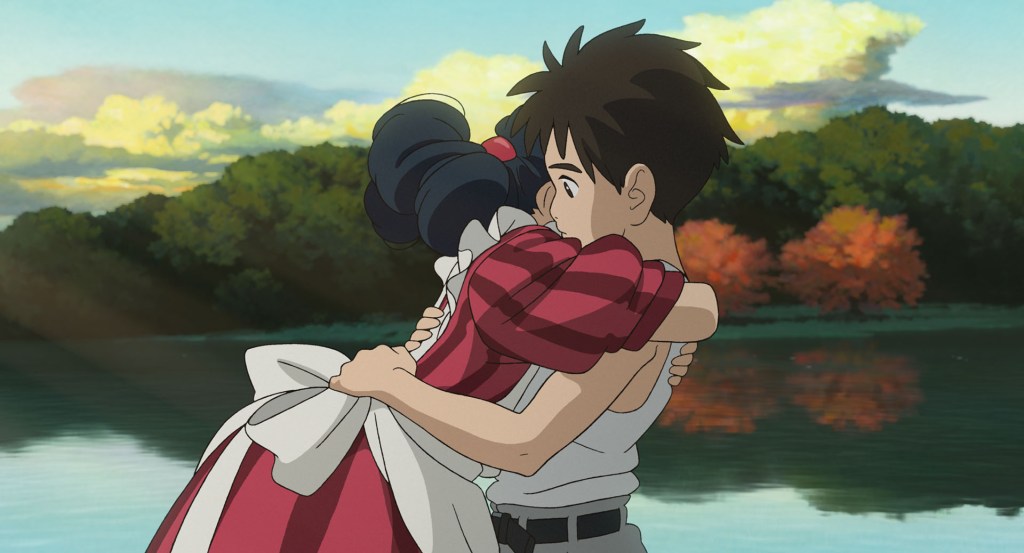
A Hayao Miyazaki film that attends more to its metaphorical dimensions than its literal ones, thus positioning it somewhat farther from my comfort zone than a lot of his work. And yet, it’s a Miyazaki film — gorgeous, on all levels, without fail, and to the extent that it’s something a little off the beaten path, at least getting your head around it is an arresting challenge. It’s the sort of movie you could watch a dozen times without failing to find something new. I’ve heard it called a Miyazaki highlights reel, but if it is, well, of course! It’s transparently a reflection on everything he’s made, whether it did any good and whether he’s left it in secure hands. It’s a phenomenal coda on an iconic career — assuming it is, in fact, his last film, which knowing him and how many times he’s tried to quit this business already, I recognize it almost certainly isn’t.

13. Poor Things
Yorgos Lanthimos exists at a confluence of “obviously extraordinarily gifted” and “not really my thing” that makes his movies difficult to position on lists like this. That’s probably never been truer than it is with Poor Things, a movie I have no problem calling an all-time masterpiece even though it weirded me all the way out. Honestly, I’m prepared to argue it’s Lanthimos’s best work — the most fully inhabited, the prettiest, the most purposeful, the best constructed. Certainly Emma Stone’s is the best performance to have happened under his supervision, which is saying a lot. Also his funniest movie, by a pretty significant margin: I’d have been fine with Poor Things if it had been nothing but Bella slowly driving Mark Ruffalo insane. And it is certainly more than that. Fifty-fifty chance I never watch this again, zero chance I’m not still thinking about it on my deathbed.
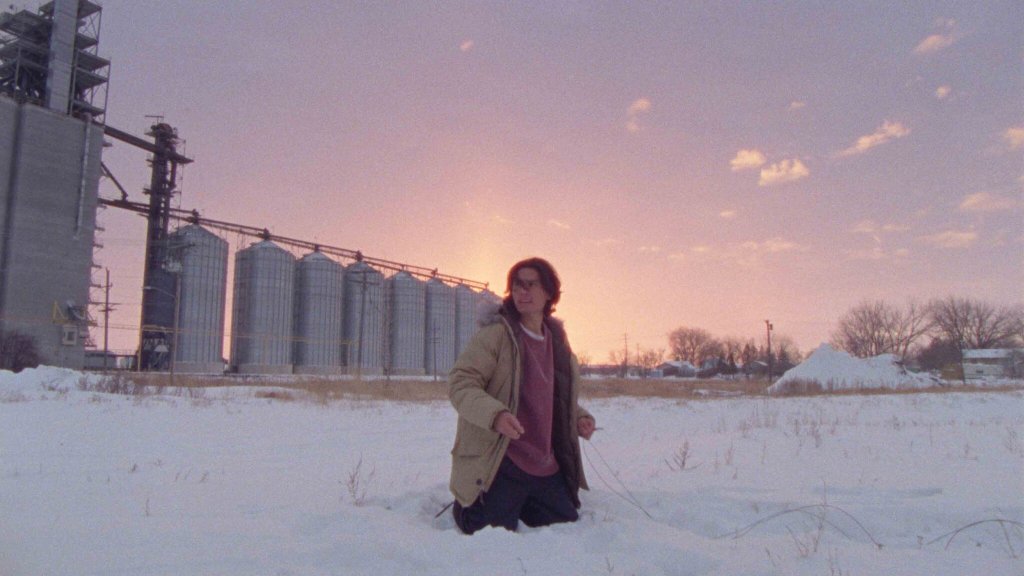
12. How to Blow Up a Pipeline
Even as a tiny microbudget indie, the existence of How to Blow Up a Pipeline is outright shocking to me. I kept waiting for it to pull a punch, hedge its bets, dial it back toward something a little more comfortable for the political mainstream. It never did. It’s certainly the boldest thing to happen on the big screen this year. I think what makes it feel so radical is that it avoids the politics altogether. It isn’t trying to have a dialogue about the problem and how best to respond to it. It simply throws you into the mix with these characters, brings you into their world, and then trusts you to follow them through the paces of what is otherwise a normal heist movie/slow burn thriller — a very good one, but still, normal. Treating the subject like it’s no big deal somehow makes it the biggest deal of all. How to Blow Up a Pipeline was one of the year’s earliest releases, and it has loomed large in my mind ever since.

11. The Iron Claw
One of the best screenplays of the year, with one of the strongest senses of character. There’s nothing outwardly unusual about it, but I can’t recall seeing its subject — the world of professional wrestling — brought to life in quite this way before. The balance between what’s real and what’s fake in this thing that’s half sport, half theater is very tricky to navigate, and probably uniquely toxic for someone with a competitive spirit. Sean Durkin’s prior experience capturing cult dynamics in film fits the material uniquely well. Strong performances, strong filmmaking, genuinely insightful in its approach to its real-life characters, one of those all-around good movies for adults that we don’t get enough of anymore.
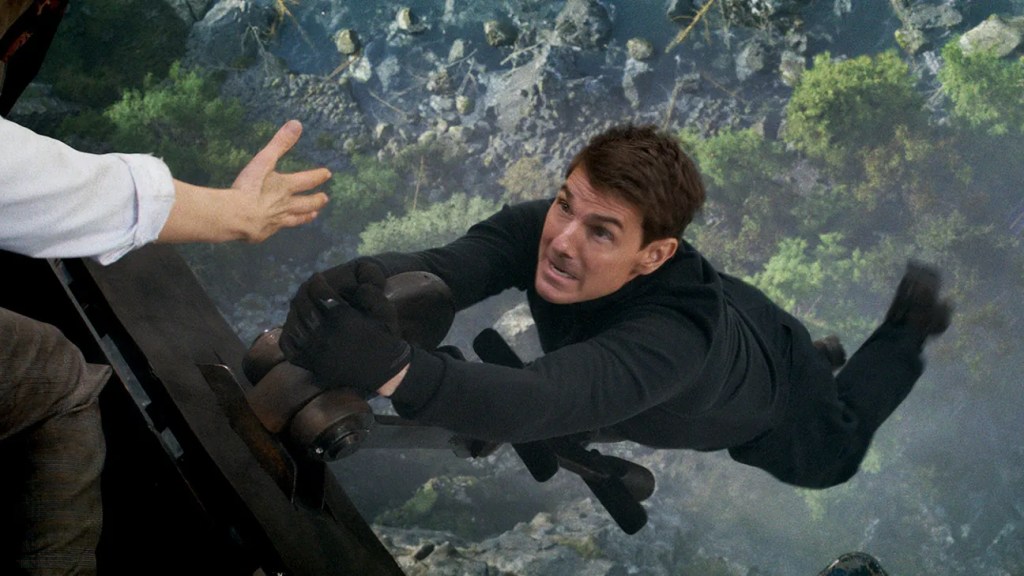
10. Mission: Impossible – Dead Reckoning Part One
The most I can remember liking a Mission: Impossible movie right out of the gate — and I don’t think that’s just a matter of circumstance. Dead Reckoning, of course, delivers everything we’re starting to take for granted from this franchise — the tactile, hard-hitting action, and the mind-blowing stunt work. But I also think it’s a major step forward on a story level. For starters, it’s the first time these movies have ever felt like they’re putting their central ethos — never leave a man behind — to a serious test; Dead Reckoning is intense in a way I don’t remember the majority of its predecessors being. Additionally, the new villain, despite being a literal algorithm, is genuinely threatening and even kind of scary in the brief moment where it brings its full power to bear. It’s super fun to watch, but also strangely compelling. With Dead Reckoning, I can say something I’ve never said about a Mission: Impossible movie before: I can’t wait to find out what happens next.
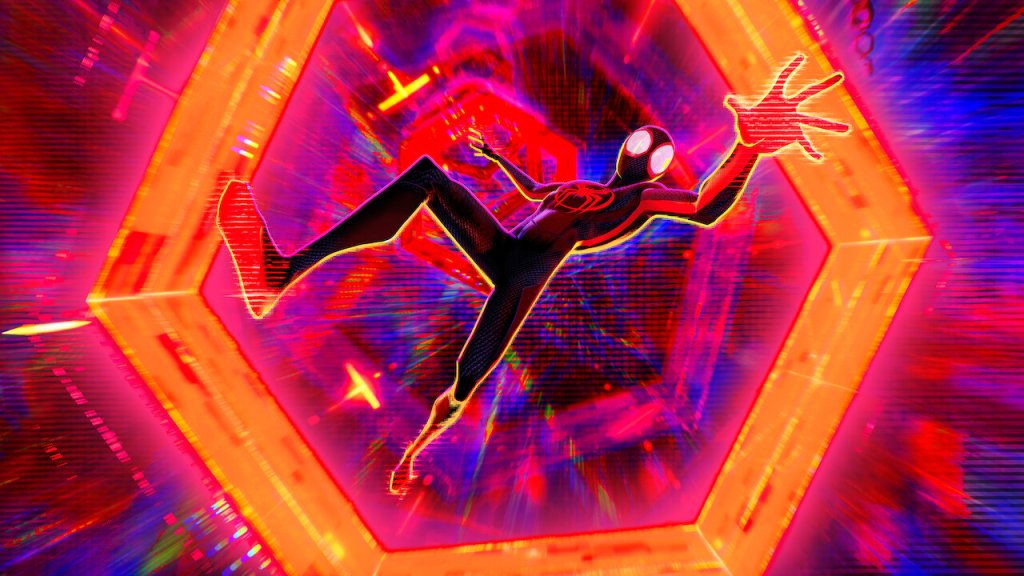
9. Spider-Man: Across the Spider-Verse
Honestly, what do I even say? This movie doesn’t need anyone else to lavish praise upon it. It’s all true, everything you’ve heard. The animation is now operating on levels that feel physically impossible. The writing is razor-sharp. There are no other superhero movies on the market working with characters this deeply felt. Somehow, all of this is happening despite the plot being a twenty-car pileup of characters and storylines. Yeah, it is, for the moment, only half a movie, but if Beyond the Spider-Verse even comes close to matching it, it’s half one of the greatest movies ever made.
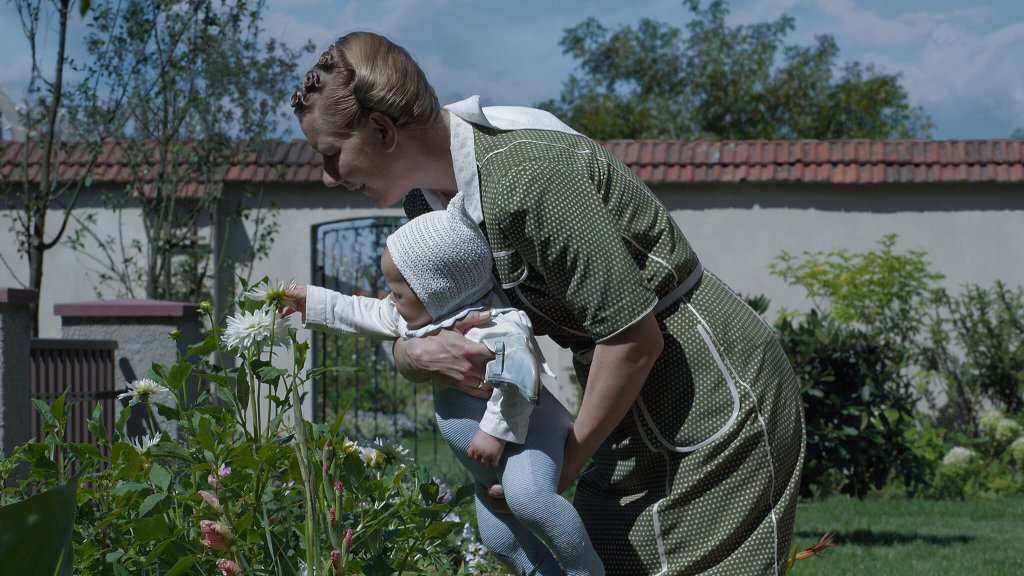
8. The Zone of Interest
Impossible to talk about. Harrowing. A knife in your gut, twisted slowly. Sandra Hüller is terrifying. It could only have happened like this. It always happens like this. It’s happening like this right now. When it happens again, it will happen like this — not because we’re good at ignoring the cruelty, but because some part of us wants it. Can’t envision paradise without it. To a lot of us, Heaven is not Heaven if Hell is not below it.

7. The Starling Girl
Every year, I adopt and make a cause out of at least one movie barely anyone saw and that missed most critics’ year-end retrospectives. The Starling Girl is 2023’s. As usual, it’s my own experiences informing that — there’s so much about this movie, its circumstances, its characters, the little things they say and do and why and how, that rang instantly true for me. There’s a scene where its main character breaks down because she’s so happy she’s certain that means the thing she’s happy about is something God wants her to give up, and it made me wonder: would anyone who hasn’t experienced that even recognize what was going on in that scene? I don’t know, but believe me, it’s worth trying. Even as much as it’s personal for me, The Starling Girl is a just-plain-great movie on every relevant level. Check it out; it’s a real good cry.

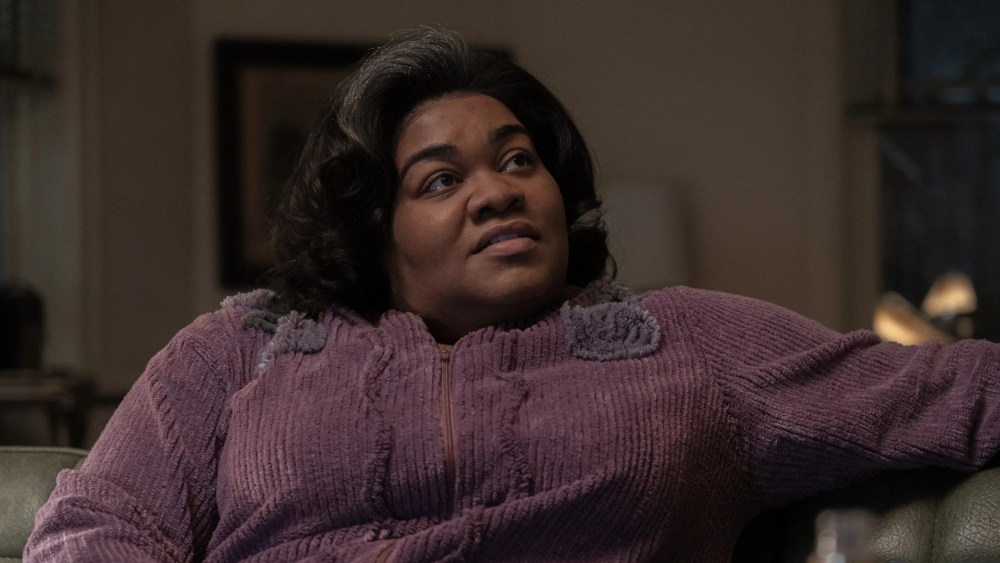
6. The Holdovers
Alexander Payne’s best in a while — and ever is on the table. His talents as a filmmaker are plenty, but I think what I love most about him is that he’s one of the last directors making really good movies about normal, average people who have normal, average problems. People who don’t look like Sears fall collection models, who have weird hangups, who have lazy eyes and smell like fish and sometimes are awful for no reason. I’ve never understood the criticisms of Payne’s work as misanthropic — he’s clear-eyed about his characters and their flaws, but his movies always having them realizing that solace is in one another. I don’t think he’s ever told that story as beautifully as he does here. The Holdovers is sweet and sad and funny and anchored on a trio of the year’s best performances.

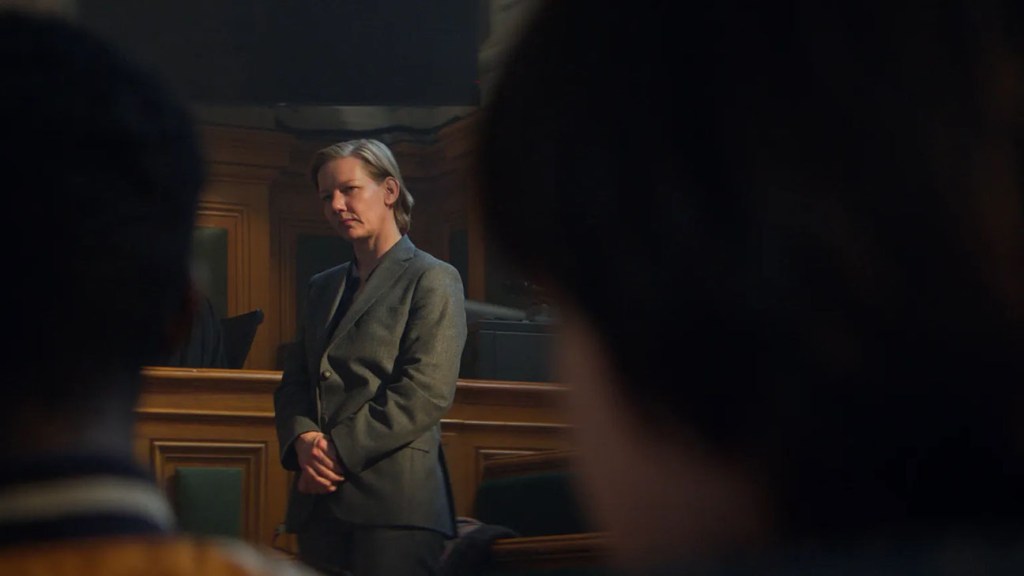
5. Anatomy of a Fall
I think it’s likely the best courtroom dramas aren’t really about the proceedings themselves, and so it goes with Anatomy of a Fall, a movie where the plot itself feels like an act of misdirection — the possible murder, the trial, that’s just a framing device used to probe the shadows of a failing marriage and a mother and son struggling to put themselves back together. It’s in the execution thereof that I think Anatomy of a Fall sets itself apart from its contemporaries in the genre — how it reverse engineers a sort of flashback structure despite, ultimately, containing only one actual flashback (which is so loaded with meaning it almost serves as an entire film unto itself). It’s tough to make a movie where the protagonist keeps secrets from the audience, and that’s how Anatomy of a Fall gets away with it. Guilt or innocence matter less than what brought us to this point. The fall is simply the final consequence. I think I’ve detected the faintest hint of a backlash to this one, so let this stand as a firm declaration that I am not a part of it. Fully deserving of all its accolades.
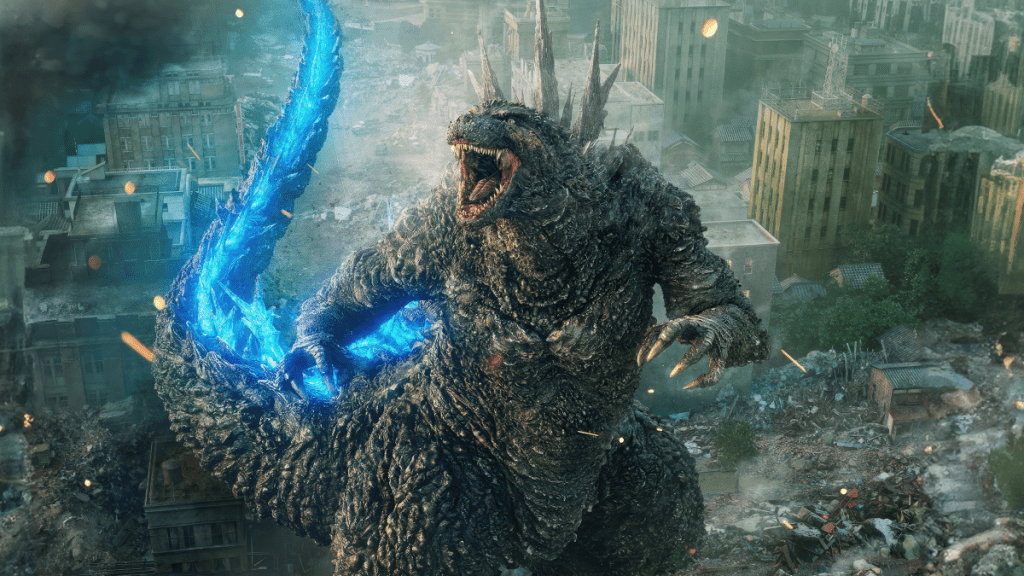
4. Godzilla Minus One
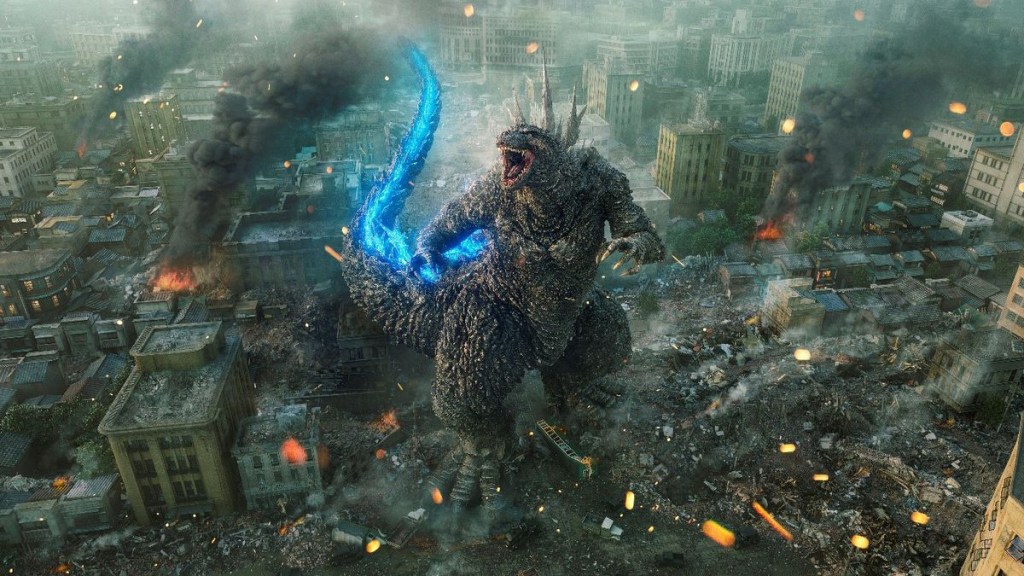
ha ha ha you can’t stop me — but also, why would you want to? Yeah, I think these last few years have fully ruined me on American blockbusters. My message to the public, at this point, is that if you won’t even read the sparse, simple subtitles of a foreign genre flick, you have no idea what you’re missing. Godzilla Minus One is, at the very least, the best Godzilla movie of my lifetime, and the only reason I won’t go farther back than that is that I haven’t actually seen any of those. I would also contend it’s one of the best movies of its kind more generally. A disaster movie where you actually care about the characters? What a concept! Minus One is also possibly the best Godzilla has ever been as social commentary — it’s deeply weird to say that a movie whose primary appeal is a digital monster knocking over digital buildings is ultimately sort of life-affirming, but Godzilla Minus One contains multitudes. It delivered everything I want from a kaiju movie, and also unexpectedly made me feel better about this beautiful, catastrophic thing we call humanity. I’ve wanted to love a Godzilla movie my whole life, and I can’t tell you how it feels to finally get to. If I do not get a U.S. Blu Ray of this, I will become dangerous.
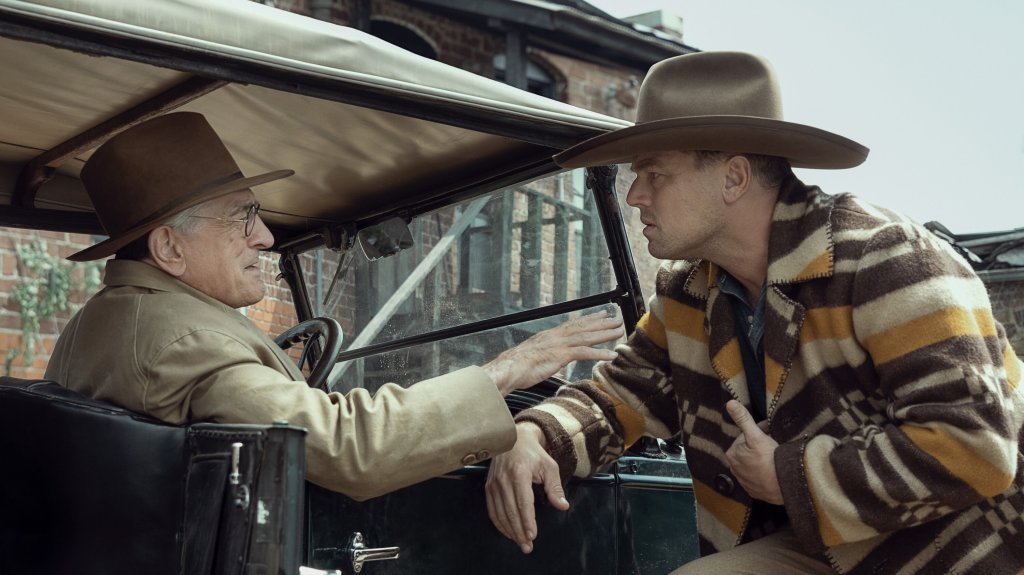
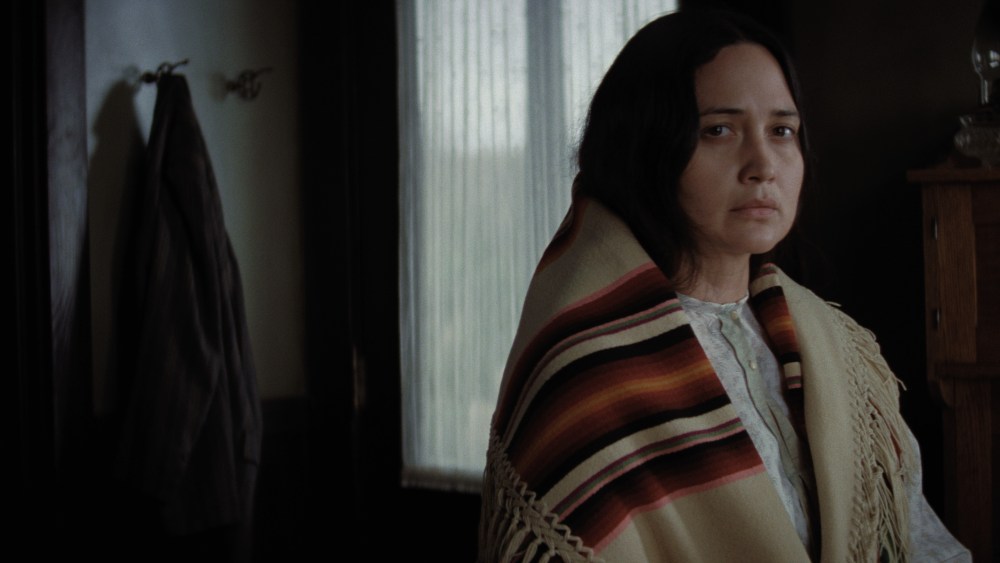
3. Killers of the Flower Moon
I don’t really have favorite filmmakers. I’m not sure whether that’s unusual for a movie nerd. It’s more like a long list of directors who consistently do really good work that I’ll always check out on the big screen if at all possible. But if you asked me to step outside myself and decide who I think is the best filmmaker of all time, I’m pretty sure my answer would be Martin Scorsese. And I can’t think of stronger evidence in my favor than the run he’s been on since The Wolf of Wall Street — to Silence to The Irishman to, well, this. Those four films would be the envy of any artist, so I can’t think of any better testament to Scorsese than that I think a lot of his fans, maybe even most of them, would not consider this his golden era. This is all just par for the course at this point. I think that makes it easy to take him for granted, so consider Killers of the Flower Moon’s positioning on this list my way of ensuring that I don’t. It’s lesser Scorsese, which makes it just about any other director’s crowning achievement. Absolutely stunning.
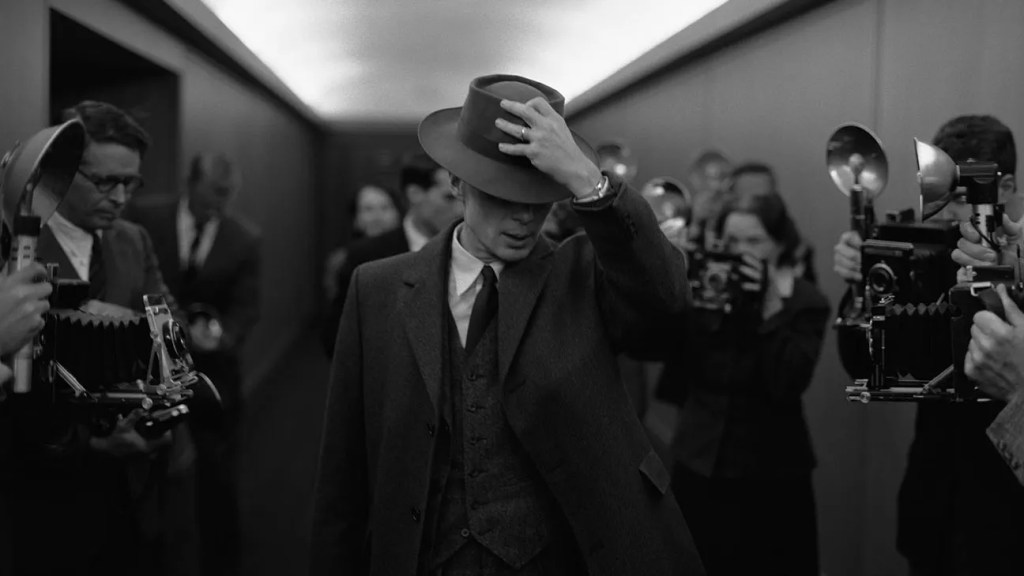
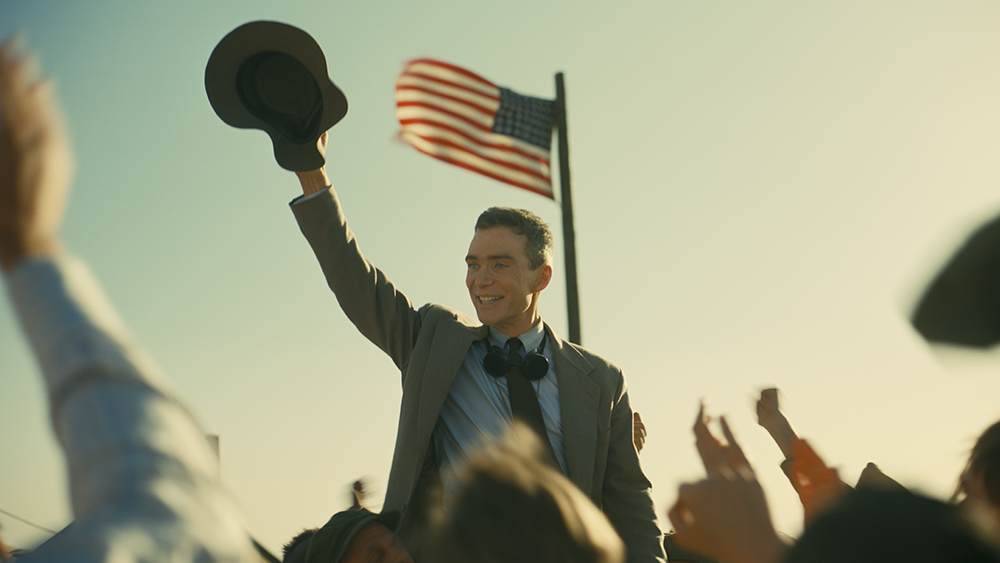
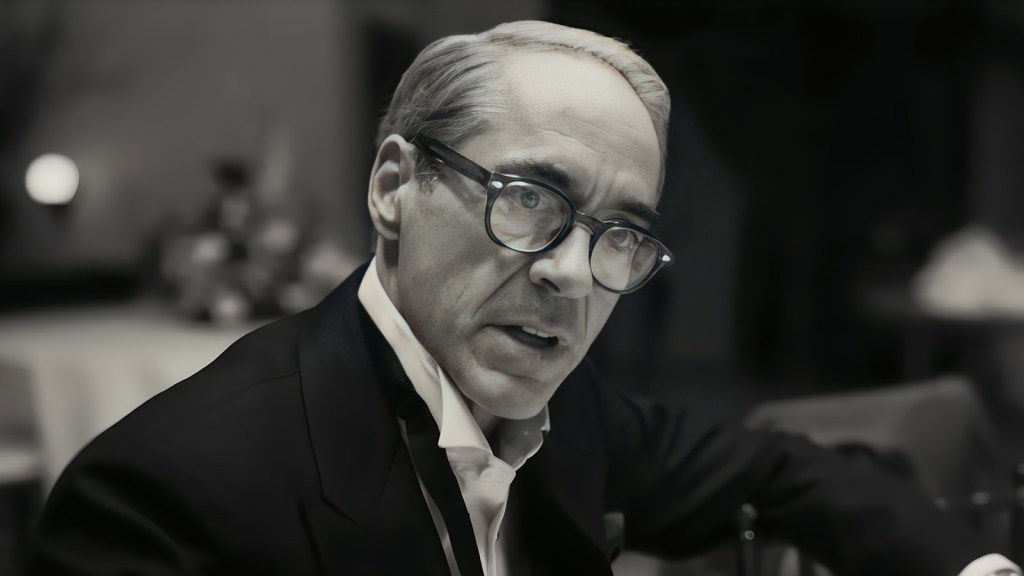
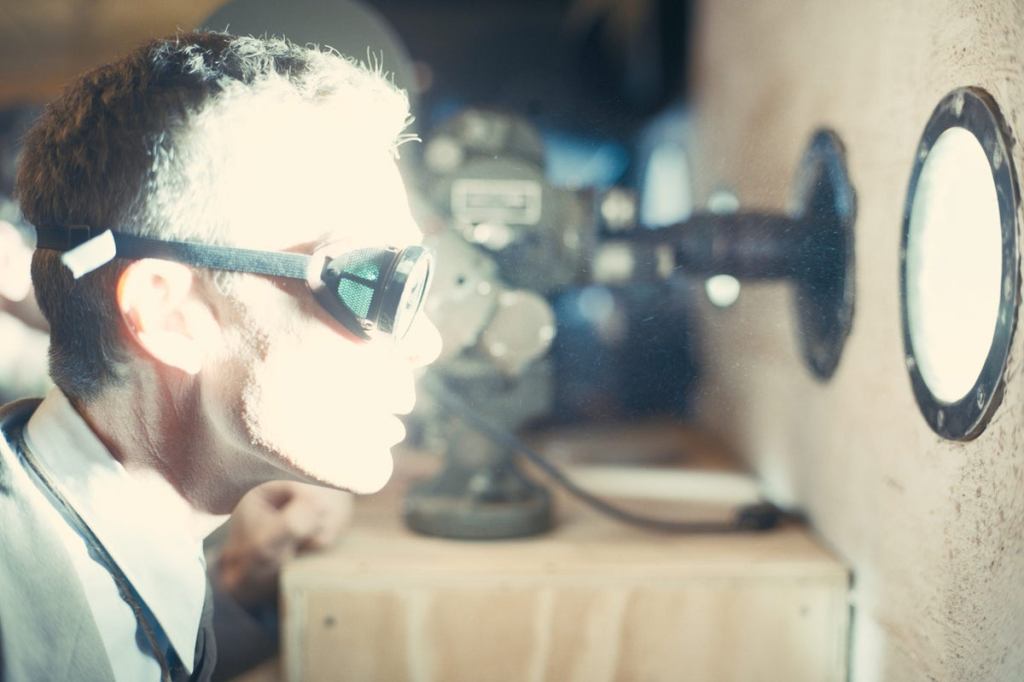
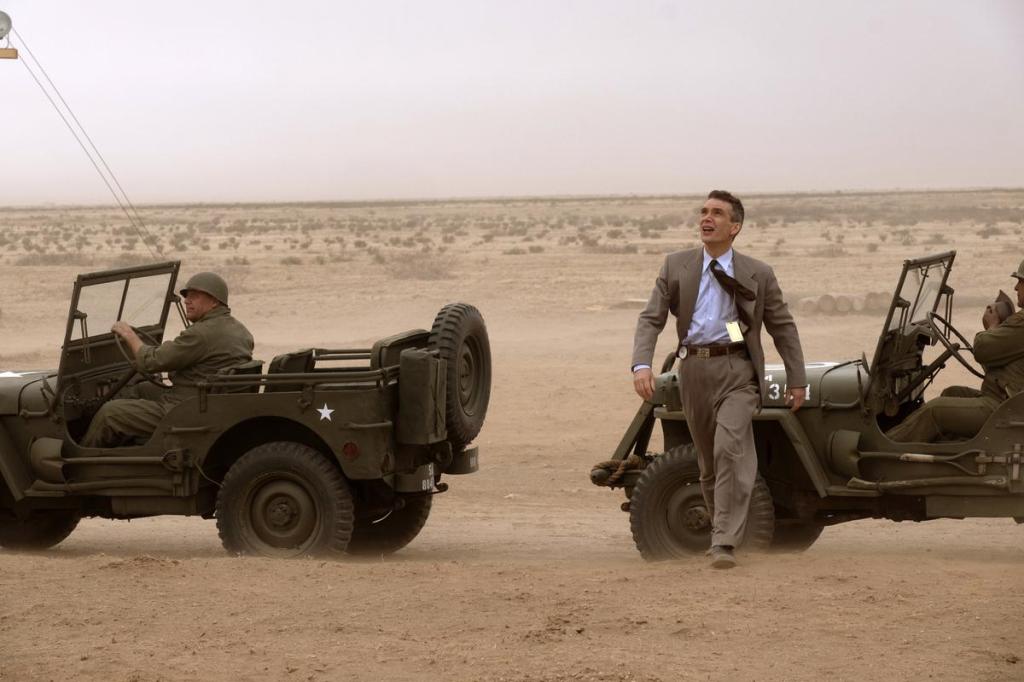
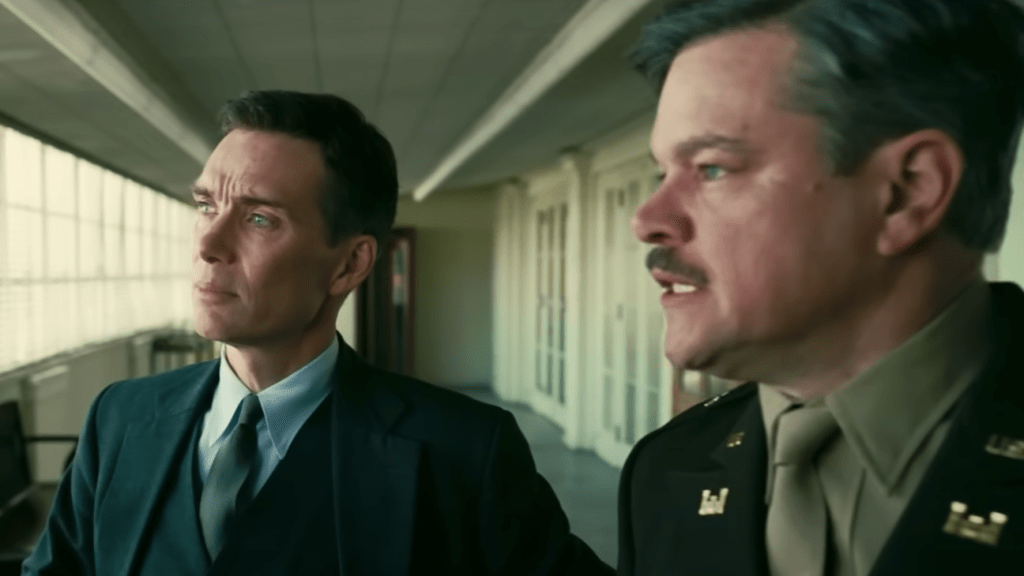
2. Oppenheimer
At this point, I think what I like most about Christopher Nolan is that I get the impression with him, more than any other filmmaker, that he’s doggedly determined to grow with each new project he takes on. The sense I get from him is that if he’s not taking a step forward, if he’s not innovating something, he thinks the whole thing is a waste of time. Each new movie has to be his pinnacle as a director. Anyway, I hope failing that test isn’t too frustrating for him, because it is very difficult to imagine him spending the rest of his career outdoing Oppenheimer. It’s so masterful on a craft level that it’s sometimes astonishing to remember it’s from the same guy we chewed out for putting the camera too close to the action during a couple of Batman movies over a decade ago. It really feels like his whole career has been building to this grim opera of a biopic — breathless and insistent, convinced sound and fury can signify something, and damn you for thinking otherwise. After a particularly successful second viewing, I’m actually starting to wonder if maybe it’s my actual favorite movie this year and I’m just holding out because I don’t want to admit the Oscars got it right twice consecutively. Stay tuned on that, I guess.

- Past Lives
I saw this in September, and it has held onto the top slot ever since. I’ve already alluded to it in an earlier entry on this list, but there’s little that impresses me more than the ability to tell a real story about real people and still have it feel as though it has never been told before. That’s especially true of a movie like Past Lives, which on paper fits pretty snugly into a whole subgenre of semi-love stories about regret and what might have been. Another thing I’ve already alluded to: movies about that have my number in a big way, and Past Lives basically broke me in half — you know, in a good way. Its cultural specifics are so beautifully woven into the structure of it. The central theme feels potentially iconic, the way it instantly and permanently resonates throughout the whole story. I’m consistently struck by how flawlessly directed it is — the gentle sort of flow of it, the way Celine Song meters things out and lets them bleed together. I was stunned to learn that her work in the industry before this was as sparse as it is — for any artist to arrive this fully formed feels like a miracle. The subtleties of it, its hypnotic rhythm, the absolutely gutting performances, its composure and grace, the way every viewing peels back a new layer — Past Lives is exquisite, and I think more than worthy to wear 2023’s crown.










 Matthew Triponey